Basics
Flexibility and joint mobility play an important role in maintaining a healthy, balanced, and active lifestyle. Whether you spend long hours sitting at a desk, exercise regularly, or simply want to move more comfortably throughout the day, improving mobility can help reduce stiffness, prevent discomfort, and support better overall movement.
Yoga is one of the most effective practices for developing both flexibility and joint mobility naturally. Through mindful stretching, controlled movement, and breathing awareness, yoga helps improve the body’s range of motion while strengthening the muscles that support healthy movement patterns.
Unlike aggressive stretching methods, yoga encourages gradual progress and mindful awareness, allowing the body to become more flexible safely and sustainably over time.
Understanding Flexibility and Mobility
Although flexibility and mobility are often mentioned together, they are slightly different.
Flexibility
Flexibility refers to the ability of muscles and soft tissues to lengthen and stretch comfortably.
Mobility
Mobility refers to how well a joint can move actively through its full range of motion with stability and control.
Both are important for:
Better posture and alignment
Reduced muscle stiffness
Improved athletic performance
Injury prevention
Easier daily movement
Long-term physical health
Yoga supports both flexibility and mobility simultaneously by combining stretching with mindful movement and stability.
How Yoga Improves Flexibility
Yoga uses controlled stretching and posture-based movement to gradually release tension throughout the body. Consistent practice helps muscles become more adaptable while improving overall body awareness.
Benefits of improved flexibility include:
Reduced muscle tightness
Better posture and alignment
Improved movement efficiency
Less discomfort during daily activities
Increased comfort during exercise
Unlike forced stretching, yoga encourages relaxation during movement, helping the body release tension more naturally and safely.
How Yoga Supports Joint Mobility
Healthy joints require movement, circulation, and stability to function properly. Gentle yoga flows help lubricate the joints while improving movement patterns and muscular support around them.
Yoga mobility practices can benefit:
Hips
Shoulders
Spine
Ankles
Knees
Wrists
Slow and intentional movement helps maintain healthy joint function while reducing stiffness caused by inactivity or repetitive movement patterns.
Best Yoga Poses for Flexibility and Mobility
Certain yoga poses are especially effective for improving flexibility and joint mobility throughout the body.
Cat-Cow Stretch
A gentle spinal movement that improves mobility through the back and neck while encouraging breathing awareness.
Downward Facing Dog
This pose stretches the hamstrings, calves, shoulders, and spine while improving full-body mobility.
Low Lunge
A deep hip-opening posture that improves flexibility through the hips, thighs, and lower body.
Seated Forward Fold
Helps lengthen the hamstrings and release tension through the back and spine.
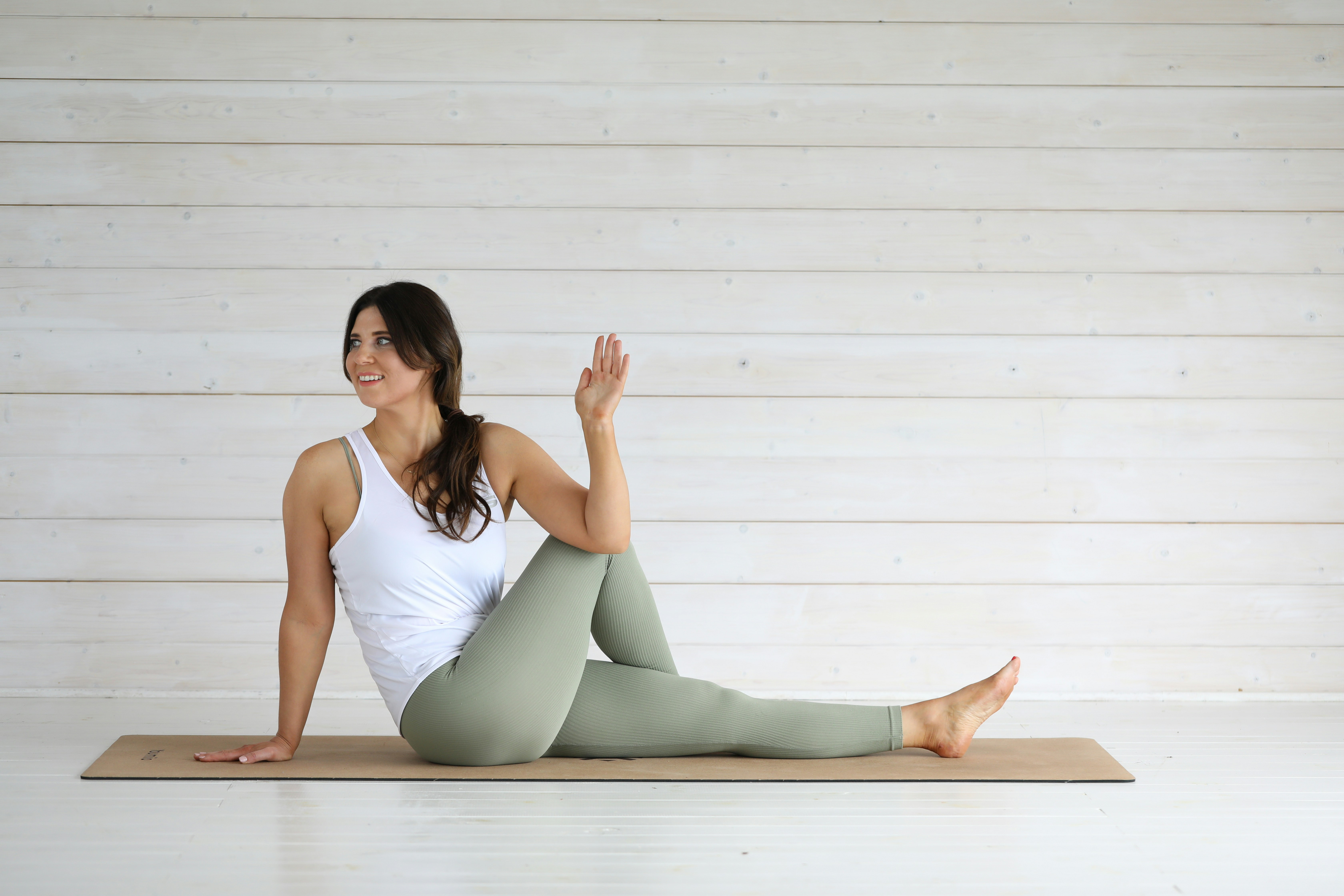
Reclined Twist
Supports spinal mobility while reducing tension in the lower back and hips.
Pigeon Pose
A powerful hip-opening posture that improves flexibility and mobility in the hips and glutes.
Practicing these poses regularly can help improve movement quality and reduce stiffness over time.
The Importance of Consistency
Flexibility and mobility improve gradually through consistent practice rather than intense stretching sessions performed occasionally.
Even practicing yoga for:
10 to 20 minutes daily
3 to 4 sessions weekly
Gentle mobility exercises regularly
can create noticeable improvements over time.
Consistency allows muscles, connective tissues, and joints to adapt safely while reducing the risk of strain or injury.
Breathing and Relaxation During Stretching
Breathing plays a major role in improving flexibility. When the body feels tense or stressed, muscles naturally tighten, limiting movement and mobility.
Slow and controlled breathing helps:
Relax the nervous system
Reduce tension during stretching
Improve body awareness
Support safer movement patterns
Exhaling slowly during stretches can help the body relax deeper into each posture without forcing movement aggressively.
Common Mistakes to Avoid
Improving flexibility safely requires patience and mindful awareness.
Avoid:
Forcing deep stretches too quickly
Comparing your flexibility to others
Holding tension during poses
Ignoring discomfort or pain
Skipping warm-up movements
Yoga should support gradual and sustainable progress rather than aggressive flexibility goals.
Mental Benefits of Mobility Training
Mobility-focused yoga not only improves physical movement but also supports mental well-being and stress reduction.
Mindful movement practices can help:
Reduce stress and physical tension
Improve focus and awareness
Encourage relaxation and calmness
Increase confidence in body movement
Create stronger mind-body connection
As the body moves more freely, the mind often feels calmer and more balanced as well.
Conclusion
Yoga is a powerful and sustainable practice for improving flexibility and joint mobility while supporting overall physical and mental well-being. Through mindful stretching, controlled movement, and breathing awareness, yoga helps the body move more comfortably, efficiently, and confidently over time.
The key is patience and consistency. Small and regular mobility practices can create lasting improvements that support healthier movement and better quality of life for years to come.





Continue your wellness journey