Basics
Modern lifestyles often involve long hours of sitting, screen use, repetitive movement, and limited physical activity. Over time, these habits can negatively affect posture and body alignment, leading to muscle tension, discomfort, reduced mobility, and physical imbalance.
Poor posture does not only affect physical appearance—it can also influence breathing patterns, energy levels, confidence, and overall movement quality. Many people experience tight shoulders, neck pain, lower back discomfort, and poor body awareness without realizing how strongly posture affects daily well-being.
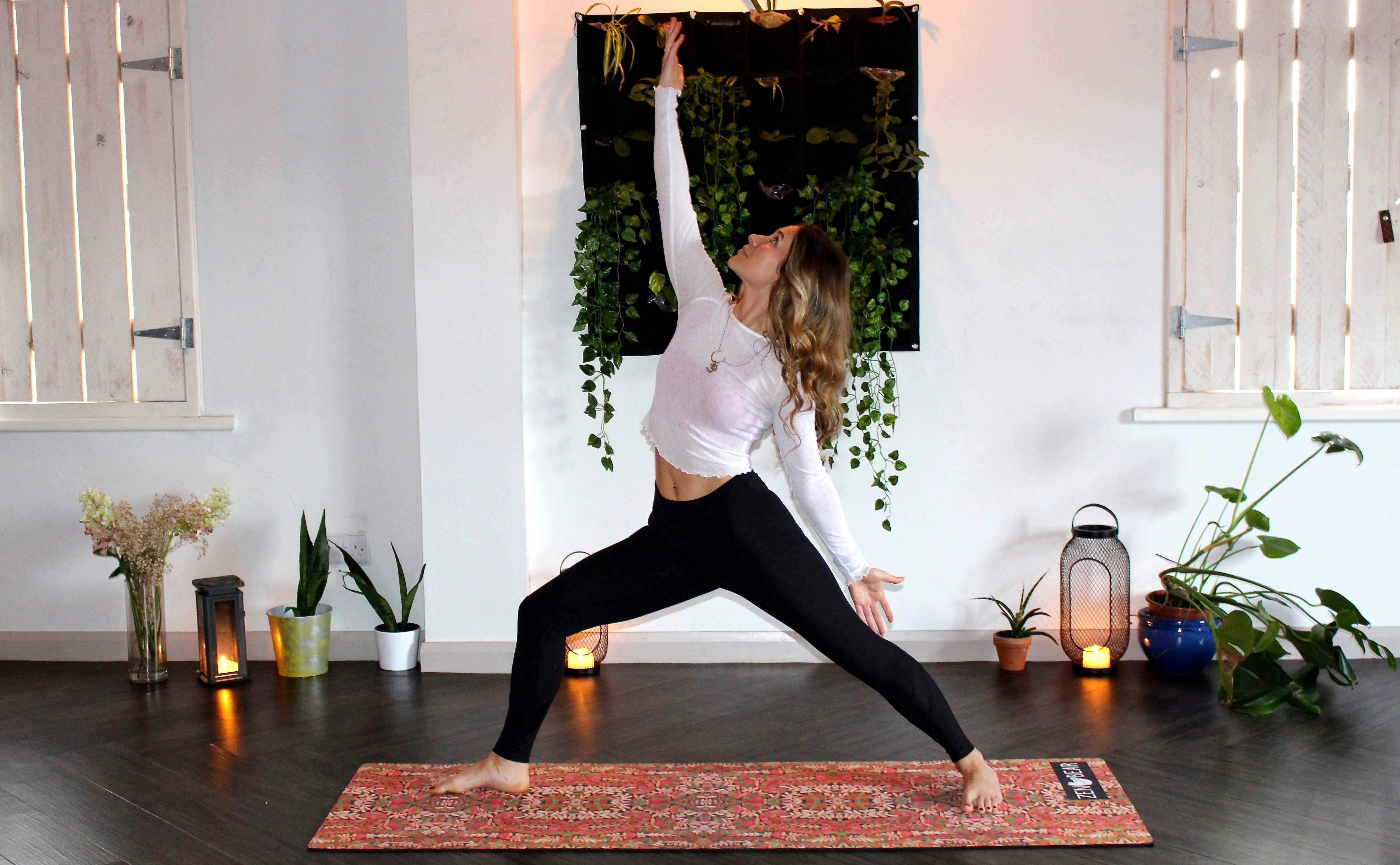
Yoga offers a natural and sustainable way to improve posture and body alignment through mindful movement, strength development, flexibility training, and breathing awareness. By practicing consistently, yoga helps the body move more efficiently while encouraging healthier movement habits both on and off the mat.
Understanding Posture and Alignment
Posture refers to how the body positions itself while sitting, standing, and moving throughout the day. Alignment refers to how different parts of the body work together to maintain balance and stability.
Healthy posture helps:
Reduce physical strain and tension
Improve breathing efficiency
Support joint health and mobility
Increase balance and stability
Enhance movement quality and comfort
Poor posture, on the other hand, may place unnecessary stress on muscles and joints, leading to discomfort and long-term imbalance.
Common Causes of Poor Posture
Many everyday habits contribute to posture-related problems over time.
Common Causes Include:
Sitting for long periods
Looking down at phones or screens
Weak core and back muscles
Limited mobility and flexibility
Stress and muscle tension
Lack of body awareness
These habits can gradually pull the body out of natural alignment, especially through the neck, shoulders, spine, and hips.
How Yoga Supports Better Alignment
Yoga improves posture by strengthening supportive muscles while increasing flexibility and body awareness. Instead of focusing only on appearance, yoga helps create balanced movement patterns that support healthier positioning naturally.
Improved Body Awareness
One of yoga’s greatest benefits is increasing awareness of how the body moves and feels. This mindfulness helps you notice posture habits throughout daily life.
Strengthening Supportive Muscles
Yoga strengthens important postural muscles including:
Core muscles
Upper back
Glutes and hips
Shoulders and legs
These muscles help stabilize the spine and support proper alignment during movement and rest.
Increasing Flexibility
Tight muscles often pull the body out of alignment. Yoga helps release tension through the hips, chest, shoulders, and spine while improving mobility and movement quality.
Encouraging Balanced Movement
Yoga promotes symmetry and balanced movement patterns, helping correct physical imbalances created by repetitive daily habits.
Best Yoga Poses for Posture Improvement
Certain yoga poses are especially helpful for strengthening posture and improving body alignment.
Mountain Pose
A foundational posture that teaches proper standing alignment and body awareness.
Cat-Cow Stretch
Improves spinal mobility while increasing awareness of posture and movement through the back and neck.
Cobra Pose
Strengthens the upper back while opening the chest and improving spinal extension.
Downward Facing Dog
Lengthens the spine, stretches the shoulders, and improves overall body alignment.
Bridge Pose
Strengthens the glutes and lower back while supporting healthier spinal positioning.
Child’s Pose
Encourages spinal release and relaxation while reducing physical tension.
Practicing these poses consistently can gradually improve posture and movement efficiency over time.
The Role of Breathing in Posture
Breathing and posture are closely connected. Poor posture often restricts breathing patterns by compressing the chest and limiting lung expansion.
Yoga breathing techniques encourage:
Better chest expansion
Improved spinal awareness
Reduced physical tension
More efficient breathing patterns
As posture improves, breathing often becomes deeper and more natural, supporting both physical and emotional well-being.
Mental and Emotional Benefits
Improving posture through yoga can also positively affect confidence, energy levels, and emotional balance.
Better posture may help:
Increase confidence and presence
Reduce stress-related tension
Improve focus and concentration
Support calmer breathing patterns
Encourage greater body awareness
Physical alignment often influences how we feel mentally and emotionally throughout the day.
Daily Habits That Support Better Posture
In addition to yoga practice, small daily habits can help maintain healthier alignment.
Helpful Posture Habits
Take movement breaks during work
Adjust desk and screen height properly
Stretch regularly throughout the day
Strengthen core muscles consistently
Practice mindful sitting and standing
Combining yoga with healthier movement habits creates more sustainable long-term results.
Common Mistakes to Avoid
Improving posture takes time, patience, and consistency.
Avoid:
Forcing unnatural posture positions
Holding excessive tension while standing
Ignoring pain or discomfort
Practicing inconsistently
Comparing posture progress to others
Healthy posture should feel balanced, natural, and supportive rather than rigid or uncomfortable.
Conclusion
Yoga is a powerful practice for improving posture and body alignment through mindful movement, strength development, flexibility, and awareness. By helping the body move more efficiently and reducing tension caused by modern lifestyle habits, yoga supports healthier posture naturally over time.
Consistent practice can improve not only physical comfort and mobility but also confidence, breathing quality, and overall well-being.
Small improvements in posture can create meaningful changes in how you move, feel, and experience everyday life.





Continue your wellness journey