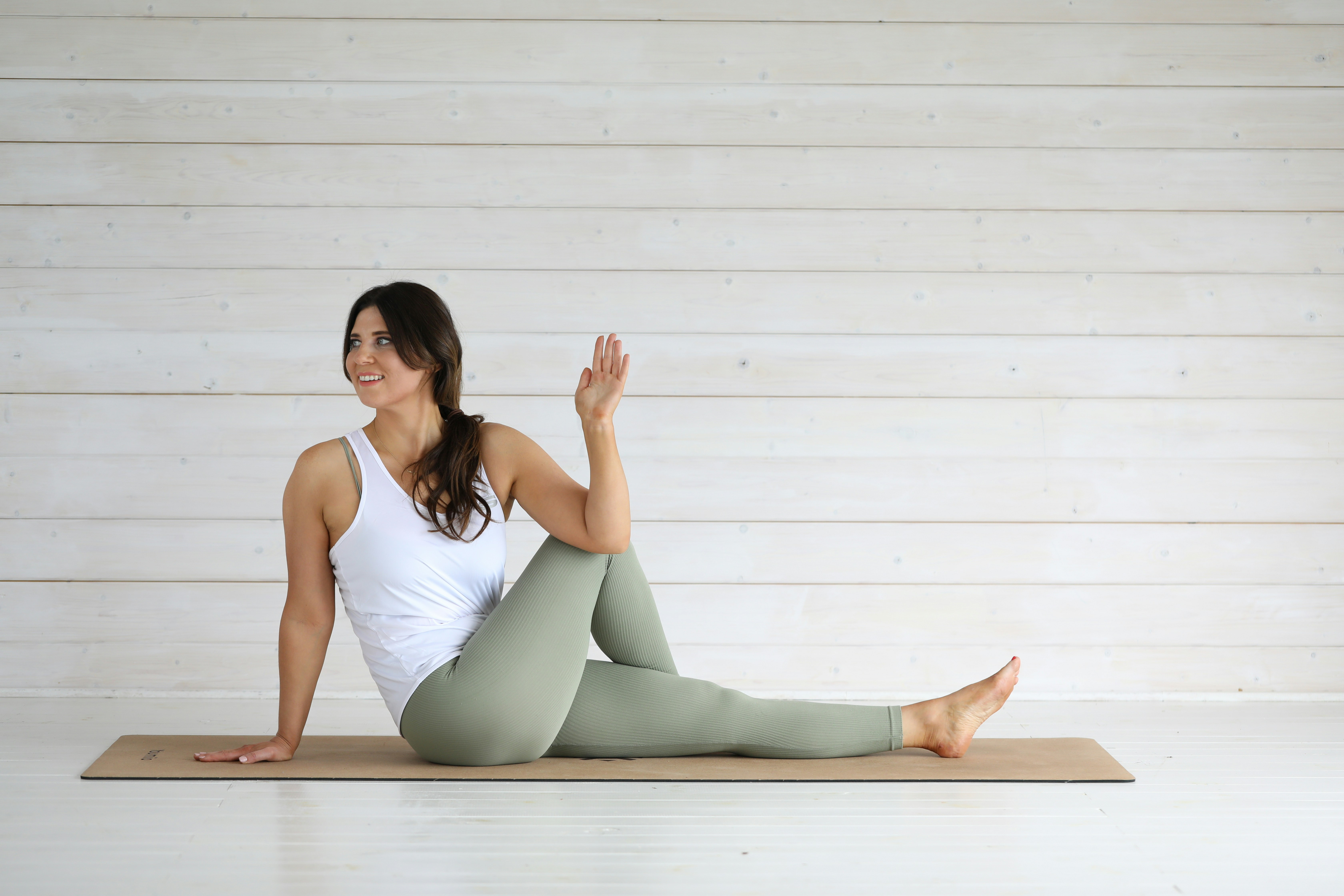
Basics
Starting yoga for the first time can feel both exciting and overwhelming. Many beginners worry about flexibility, balance, or whether they are “good enough” to practice yoga properly. The truth is that yoga is not about perfection or advanced poses—it is about creating awareness, improving movement, and building a healthier connection between the body and mind.
A beginner-friendly yoga routine focuses on simple and accessible poses that help improve flexibility, posture, balance, breathing, and relaxation gradually over time. Consistent daily practice, even for just a few minutes, can create noticeable improvements in physical comfort, energy levels, and emotional well-being.
Yoga is a journey that develops step by step, and every practice session contributes to long-term growth and balance.
Why Beginners Should Start Slowly
One of the most common mistakes beginners make is trying to move too quickly into difficult poses or long routines. Starting slowly allows the body to adapt safely while building confidence and awareness gradually.
Benefits of starting with beginner-friendly yoga include:
Reduced risk of injury or strain
Improved body awareness
Better posture and balance
Increased flexibility gradually
More sustainable long-term consistency
Greater confidence during practice
Yoga becomes more enjoyable when the focus stays on progress and awareness rather than perfection.
Creating a Comfortable Practice Space
Before beginning your yoga routine, create a calm and comfortable environment where you can move freely without distractions.
Helpful items may include:
A yoga mat or soft surface
Comfortable clothing
Water bottle nearby
Quiet and well-ventilated space
Soft lighting or calming music
A peaceful environment helps support focus, relaxation, and consistency during practice.
Mountain Pose
Mountain Pose is one of the most foundational yoga postures for improving posture and body awareness.
How to Practice
Stand comfortably with feet grounded
Relax the shoulders naturally
Lengthen the spine gently
Breathe slowly and evenly
This pose helps improve balance, posture, and awareness of body alignment.
Cat-Cow Stretch
Cat-Cow is a gentle flowing movement that improves spinal mobility while encouraging breathing awareness.
How to Practice
Begin on hands and knees
Inhale while arching the back gently
Exhale while rounding the spine slowly
Continue flowing with the breath
This movement helps reduce stiffness while improving flexibility through the spine and shoulders.
Child’s Pose
Child’s Pose is a calming and restorative posture commonly used for relaxation and recovery.
How to Practice
Kneel comfortably on the mat
Sit back toward the heels
Extend the arms forward gently
Relax the forehead toward the floor
This pose stretches the back, hips, and shoulders while encouraging deep relaxation and mindful breathing.
Downward Facing Dog
Downward Facing Dog is a classic yoga posture that stretches and strengthens the entire body.
How to Practice
Begin on hands and knees
Lift the hips upward gently
Lengthen the spine and legs comfortably
Relax the neck and breathe steadily
This pose helps improve flexibility, circulation, and full-body awareness.
Warrior I Pose
Warrior I helps build strength, balance, and stability while improving focus and posture.
How to Practice
Step one foot forward into a lunge
Keep the back leg grounded
Raise the arms overhead gently
Hold steadily while breathing calmly
This posture strengthens the legs, hips, and core while encouraging confidence and stability.
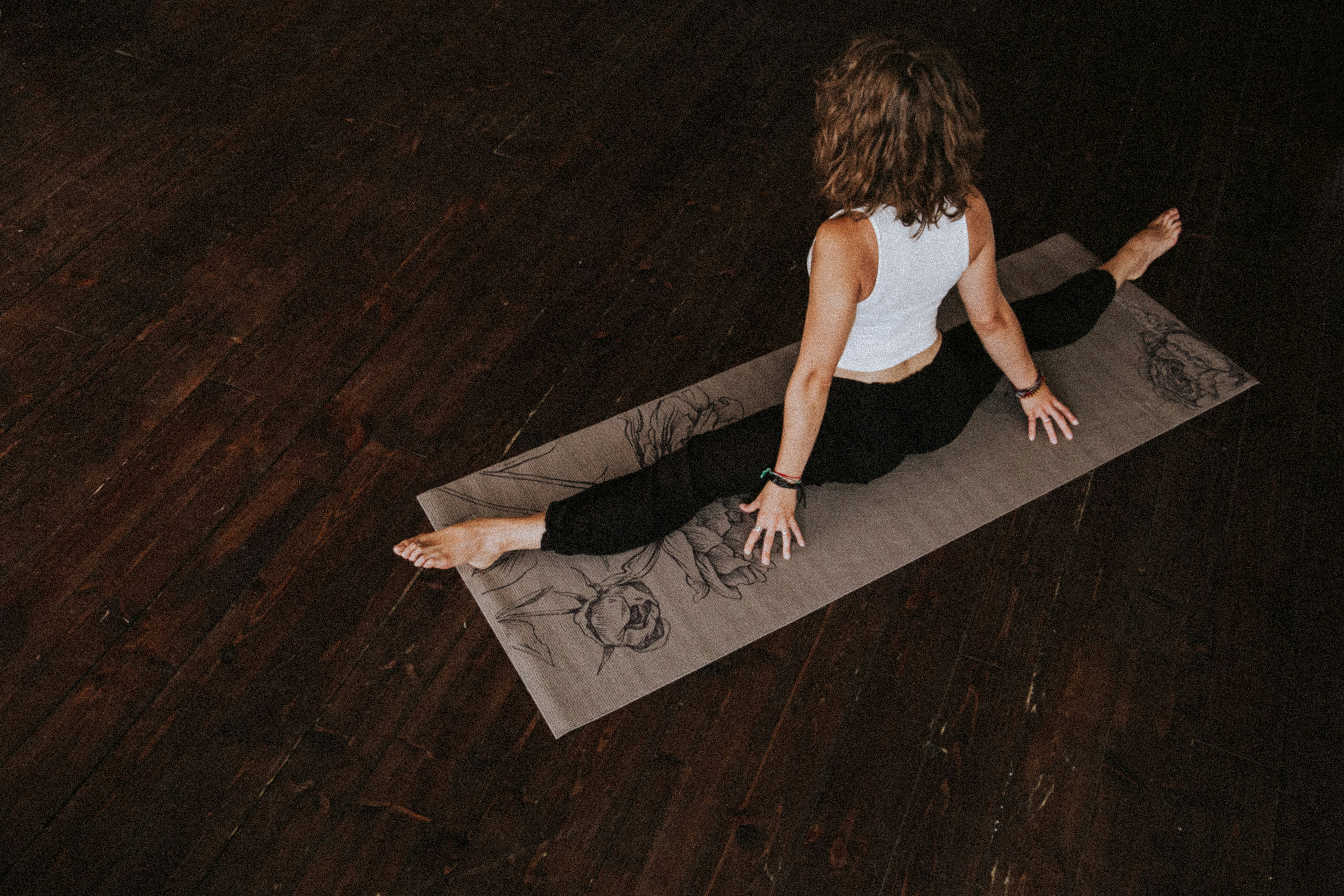
Seated Forward Fold
This calming stretch helps release tension throughout the back and legs.
How to Practice
Sit with legs extended comfortably
Lengthen the spine while inhaling
Exhale and fold forward gently
Relax the neck and shoulders
This pose encourages flexibility while calming the nervous system naturally.
The Importance of Breathing During Yoga
Breathing is one of the most important parts of yoga practice. Slow and mindful breathing helps improve focus, reduce tension, and support smoother movement.
During practice:
Inhale during expanding movements
Exhale during relaxing or folding movements
Avoid holding the breath unnecessarily
Breathing awareness helps beginners feel calmer and more connected during yoga sessions.
Building a Simple Daily Routine
Consistency matters more than practicing for long periods. A short and realistic routine is often easier to maintain regularly.
Beginner Daily Practice Example
2 minutes of mindful breathing
5 minutes of stretching
10 minutes of beginner poses
3 minutes of relaxation or meditation
Even short daily sessions can create meaningful improvements over time.
Common Beginner Mistakes to Avoid
Learning yoga is a gradual process, and it is important to practice with patience and awareness.
Avoid:
Comparing yourself to others
Forcing difficult poses aggressively
Ignoring breathing patterns
Practicing with excessive tension
Expecting immediate flexibility or perfection
Yoga should feel supportive, mindful, and sustainable rather than stressful or competitive.
Benefits of Daily Yoga Practice
Practicing yoga consistently may help:
Improve flexibility and mobility
Reduce physical tension and stress
Support better posture and balance
Increase body awareness and focus
Improve emotional calmness and relaxation
Create healthier daily movement habits
Small daily efforts often create the most sustainable long-term results.
Conclusion
Beginning a yoga journey does not require advanced flexibility, experience, or perfection. Simple poses practiced consistently can help improve strength, mobility, balance, breathing, and emotional well-being naturally over time.
The most important part of yoga is showing up with patience, awareness, and willingness to learn gradually. Every stretch, breath, and mindful movement contributes to a healthier and more balanced lifestyle.
Yoga is not about how advanced the poses look—it is about how connected, calm, and present you feel during the journey.



Continue your wellness journey