
Basics
Starting a yoga journey can feel exciting and inspiring, especially when you begin noticing improvements in flexibility, energy, and mental well-being. However, maintaining consistency is often one of the biggest challenges people face after the initial motivation begins to fade.
Busy schedules, lack of time, stress, and unrealistic expectations can make it difficult to maintain a regular practice. Many people believe they need long and intense sessions to see results, but consistency in yoga is built through simple habits and realistic routines that fit naturally into daily life.
A sustainable yoga routine is not about perfection or practicing for hours every day. It is about creating a balanced and manageable practice that supports both physical and mental well-being over time.
Why Consistency Matters in Yoga
Yoga provides the greatest benefits when practiced regularly. Consistency helps the body and mind adapt gradually while improving flexibility, strength, balance, focus, and emotional awareness.
Regular practice may help:
Reduce daily stress and tension
Improve posture and mobility
Increase energy and focus
Support emotional balance
Strengthen healthy habits
Improve sleep and recovery
Small and repeated efforts often create more lasting results than occasional intense workouts.
Start With Realistic Goals
One of the most common reasons people lose consistency is setting goals that feel too difficult or overwhelming.
Instead of aiming for long daily sessions immediately, begin with manageable goals such as:
10 to 15 minutes of yoga daily
Practicing 3 to 4 times each week
Focusing on gentle beginner-friendly sessions
Starting small creates momentum while helping yoga feel enjoyable instead of stressful.
Consistency becomes easier when your routine feels achievable within your current lifestyle.
Choose a Practice Time That Fits Your Lifestyle
The best yoga routine is the one you can realistically maintain long-term. Finding a practice time that fits naturally into your schedule helps improve consistency significantly.
Morning Practice Benefits
Increases focus and energy
Creates a calm start to the day
Reduces the chance of skipping practice later
Evening Practice Benefits
Releases stress and tension
Encourages relaxation and recovery
Supports better sleep quality
Experiment with different schedules and choose the time that feels most comfortable and sustainable for you.
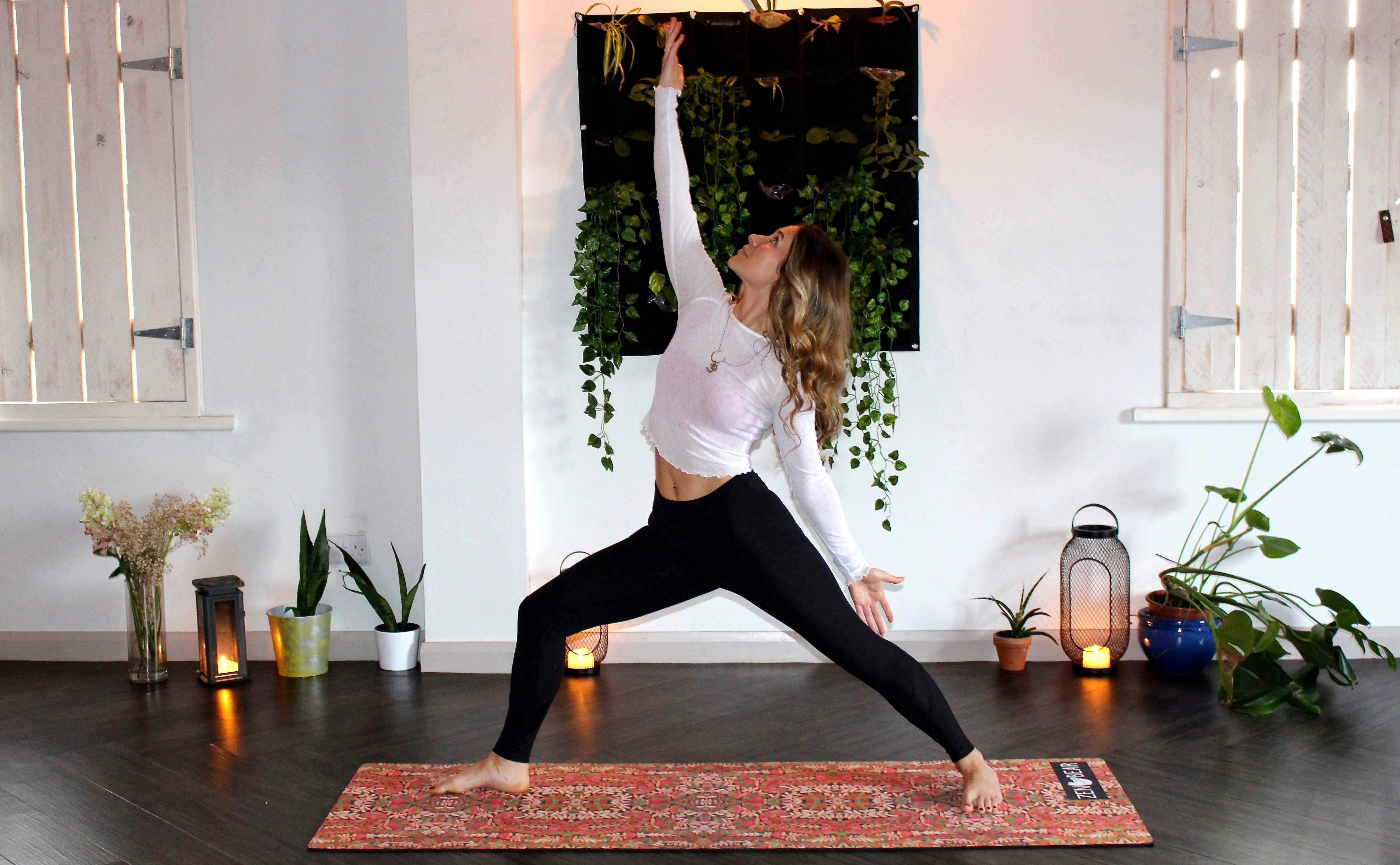
Create a Dedicated Yoga Space
Your environment can strongly influence motivation and focus. Creating a peaceful and organized yoga space helps encourage consistency by making practice feel more intentional.
Your space does not need to be large or expensive. Even a small quiet corner can work well.
Helpful items may include:
Yoga mat
Cushions or blankets
Soft lighting
Water bottle
Relaxing music or candles
A calming environment helps create a stronger connection between relaxation and practice.
Build a Simple Routine Structure
Having a simple structure can make yoga feel less overwhelming and easier to maintain regularly.
Example Beginner Routine
2 minutes of mindful breathing
5 minutes of gentle stretching
10 minutes of yoga poses or flow
3 minutes of relaxation or meditation
This balanced structure supports both movement and mindfulness while remaining realistic for daily practice.
Focus on Progress, Not Perfection
Many people become discouraged when they compare themselves to others or expect immediate results. Yoga is not about achieving perfect poses or extreme flexibility.
Progress in yoga can include:
Feeling calmer after practice
Improved breathing awareness
Better posture and mobility
Increased consistency each week
Greater emotional balance
Small improvements are meaningful and often lead to long-term transformation over time.
Stay Flexible With Your Routine
Consistency does not mean practicing perfectly every single day. Some days you may have more energy and time, while other days may require shorter or gentler sessions.
Allowing flexibility helps reduce pressure and prevents burnout.
On busy days, even:
5 minutes of stretching
A short breathing exercise
Gentle restorative poses
can help maintain your connection to practice.
Small actions still count as meaningful progress.
Use Motivation Wisely
Motivation naturally changes over time, so building habits is more important than relying on inspiration alone.
Helpful ways to stay motivated include:
Tracking your progress
Joining yoga classes or communities
Setting realistic goals
Celebrating small achievements
Practicing with supportive instructors
The goal is to create a routine that feels sustainable, calming, and personally meaningful.
Listen to Your Body
Yoga should support your well-being rather than create physical pressure or exhaustion. Learning to listen to your body helps prevent injury and improves long-term consistency.
Pay attention to:
Physical tension or discomfort
Energy levels throughout the day
Emotional stress and fatigue
Breathing patterns during movement
Rest and recovery are important parts of a healthy yoga journey.
Long-Term Benefits of Consistent Practice
Over time, regular yoga practice can positively influence many aspects of physical and emotional health.
Long-term benefits may include:
Improved flexibility and posture
Better stress management
Increased mindfulness and awareness
Greater emotional balance
Stronger body awareness and mobility
Healthier lifestyle habits overall
Consistency creates lasting results gradually through repeated mindful action.
Conclusion
Creating a consistent yoga routine is not about practicing perfectly every day. It is about building realistic habits that support balance, mindfulness, and well-being within your daily life.
By starting small, staying flexible, and focusing on progress rather than perfection, yoga can become a sustainable and meaningful part of your lifestyle over time.
Every mindful breath, stretch, and moment of awareness contributes to long-term growth both physically and mentally.






Continue your wellness journey