Routine
After a long and demanding day, the body often carries physical tension while the mind remains active with stress, responsibilities, and overstimulation. Many people struggle to fully relax in the evening, making it difficult to fall asleep peacefully and wake up feeling refreshed.
An evening yoga routine can help create a smoother transition between the busyness of the day and a calm, restful night. Through gentle movement, mindful breathing, and intentional relaxation, yoga prepares both the body and mind for deeper recovery and better sleep quality.
Unlike energetic morning practices, evening yoga focuses on slowing down, releasing tension, and calming the nervous system. Even a short practice before bed can improve relaxation, reduce stress, and support healthier sleeping habits over time.
Why Evening Yoga Supports Better Sleep
Stress and mental fatigue often cause the nervous system to stay active long after the day has ended. This can lead to difficulty sleeping, restlessness, and physical discomfort.
Evening yoga encourages the body to shift into a more relaxed state by:
Slowing the heart rate naturally
Releasing muscle tension
Improving breathing awareness
Reducing mental overstimulation
Supporting emotional balance
Creating a calming nighttime routine
Gentle movement and controlled breathing help signal the body that it is time to rest and recover.
Creating the Right Evening Environment
Your environment plays an important role in helping your body relax. Before beginning your evening yoga session, try creating a calm and peaceful atmosphere that feels comfortable and distraction-free.
Helpful Environment Tips
Dim the lights in your room
Use calming music or soft sounds
Avoid bright screens before practice
Light candles or use relaxing scents
Wear comfortable and loose clothing
A calm environment helps your mind slow down more naturally and improves the effectiveness of your relaxation practice.
Gentle Poses for Evening Relaxation
Evening yoga should feel soft, slow, and supportive rather than physically intense. Gentle poses help release tension built up throughout the day while preparing the body for rest.
Child’s Pose
A grounding posture that gently stretches the back, hips, and shoulders while encouraging deep breathing and relaxation.
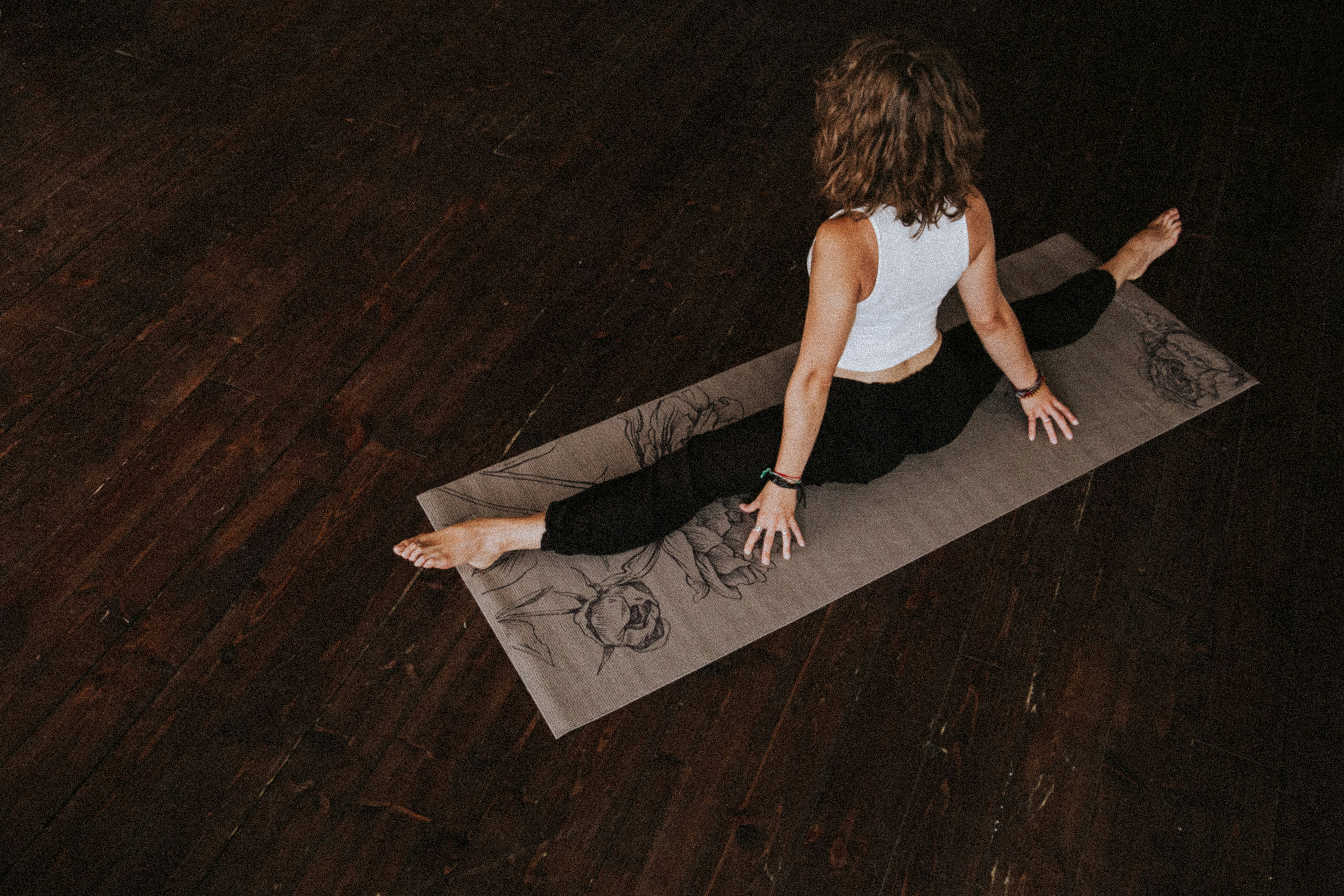
Seated Forward Fold
This pose helps calm the nervous system while releasing tension in the spine and hamstrings.
Legs Up the Wall
A restorative pose that reduces fatigue, improves circulation, and helps relax the entire body.
Reclined Twist
Twisting movements gently release spinal tension and create a soothing effect on the body and mind.
Supported Butterfly Pose
This relaxing posture opens the hips and chest while encouraging stillness and mindful breathing.
Hold each pose slowly and comfortably while focusing on smooth and steady breathing.
The Importance of Breathwork at Night
Breathing exercises are one of the most effective ways to calm the mind before sleep. Slow and controlled breathing helps reduce stress hormones and relax the nervous system naturally.
A simple breathing practice to try:
Inhale slowly for 4 counts
Hold gently for 2 counts
Exhale slowly for 6 counts
Repeat this cycle several times while allowing the body to fully relax with each breath.
Breath awareness helps quiet racing thoughts and creates a deeper sense of calm before bedtime.
Building a Consistent Evening Routine
Consistency is one of the most important factors in improving sleep quality. Creating a simple nighttime ritual helps train the body and mind to relax more naturally each evening.
Your evening routine does not need to be long or complicated. Even 15 to 20 minutes of yoga and mindful breathing can make a noticeable difference over time.
Simple Evening Routine Example
5 minutes of gentle stretching
5 minutes of restorative yoga poses
5 minutes of breathing exercises
2 minutes of quiet stillness or meditation
The goal is not perfection but creating a peaceful habit that supports relaxation consistently.
Common Mistakes to Avoid
While evening yoga can be highly beneficial, certain habits may reduce its calming effects.
Avoid:
Intense or overly fast-paced yoga sessions
Practicing immediately after heavy meals
Using bright screens during practice
Comparing your practice to others
Forcing difficult poses before bed
Evening yoga should feel restorative and calming rather than physically exhausting.
The Mental Benefits of Evening Practice
In addition to improving sleep, evening yoga can positively impact emotional well-being and mental clarity.
Regular nighttime practice may help:
Reduce anxiety and overwhelm
Improve emotional balance
Increase mindfulness and awareness
Support a calmer mindset before sleep
Create healthier stress-management habits
Over time, these small practices contribute to a more balanced and relaxed lifestyle overall.
Conclusion
Evening yoga is a gentle yet powerful way to relax the body, calm the mind, and improve sleep quality naturally. Through mindful movement, breathing exercises, and restorative poses, you can create a peaceful nighttime routine that supports both physical recovery and emotional well-being.
The key is consistency and simplicity. A few quiet moments of movement and awareness each evening can help you feel more rested, balanced, and refreshed every day.



Continue your wellness journey