Recovery
Daily routines often place continuous stress on the body. Long hours of sitting, standing, working at screens, commuting, or repetitive movement can gradually create tightness and discomfort throughout the muscles and joints. Over time, this physical tension may affect posture, mobility, energy levels, and overall well-being.
Simple stretching exercises offer an effective way to release tension, improve circulation, and help the body feel more relaxed and comfortable throughout the day. Stretching not only supports physical flexibility but also encourages relaxation by calming the nervous system and reducing muscular stress.
The best part is that stretching does not require a gym, advanced equipment, or long workout sessions. Even a few mindful minutes of movement can create noticeable relief and improve how the body feels physically and mentally.
Why Body Tension Builds Up
Muscle tension often develops from daily habits, stress, and limited movement. Physical and emotional stress can both cause the body to tighten unconsciously, especially around the neck, shoulders, hips, and lower back.
Common causes of body tension include:
Sitting for long periods
Poor posture and screen use
Emotional stress and anxiety
Lack of movement or exercise
Repetitive physical activity
Poor sleeping positions
Without regular movement and recovery, tightness can gradually reduce mobility and create discomfort during everyday activities.
Benefits of Regular Stretching
Stretching helps improve movement quality while supporting both physical and mental relaxation.
Regular stretching may help:
Reduce muscle tightness and stiffness
Improve flexibility and mobility
Increase circulation and blood flow
Support healthier posture and alignment
Reduce stress-related tension
Improve relaxation and recovery
Gentle stretching also encourages better awareness of how the body feels and moves throughout the day.
Neck Stretch for Shoulder Tension
Stress and screen use commonly create tension around the neck and shoulders.
How to Practice
Sit or stand comfortably
Slowly tilt your head toward one shoulder
Hold gently for 20 to 30 seconds
Repeat on the opposite side
Avoid forcing the movement aggressively. The goal is to release tension gradually and comfortably.
This stretch helps reduce stiffness while improving mobility around the neck and upper shoulders.
Cat-Cow Stretch for Spinal Mobility
The Cat-Cow movement is excellent for releasing tension throughout the spine while improving posture and flexibility.
How to Practice
Begin on hands and knees
Inhale while arching the back gently
Exhale while rounding the spine slowly
Repeat for several breaths
This flowing movement improves spinal mobility while encouraging mindful breathing and relaxation.
Seated Forward Fold for Back and Hamstrings
Tight hamstrings and lower back tension are common after long periods of sitting.
How to Practice
Sit with legs extended comfortably
Inhale to lengthen the spine
Exhale while folding forward gently
Relax the shoulders and breathe slowly
This stretch helps release tension through the lower back, spine, and legs while calming the nervous system.
Child’s Pose for Full-Body Relaxation
Child’s Pose is a gentle restorative stretch that helps calm both the body and mind.
How to Practice
Kneel comfortably on the floor
Sit back toward the heels
Extend the arms forward gently
Relax the forehead toward the mat
This posture stretches the hips, back, and shoulders while encouraging deep breathing and relaxation.
Hip Stretch for Lower Body Tightness
Long periods of sitting often create tightness through the hips and lower body.
Simple Hip Stretch
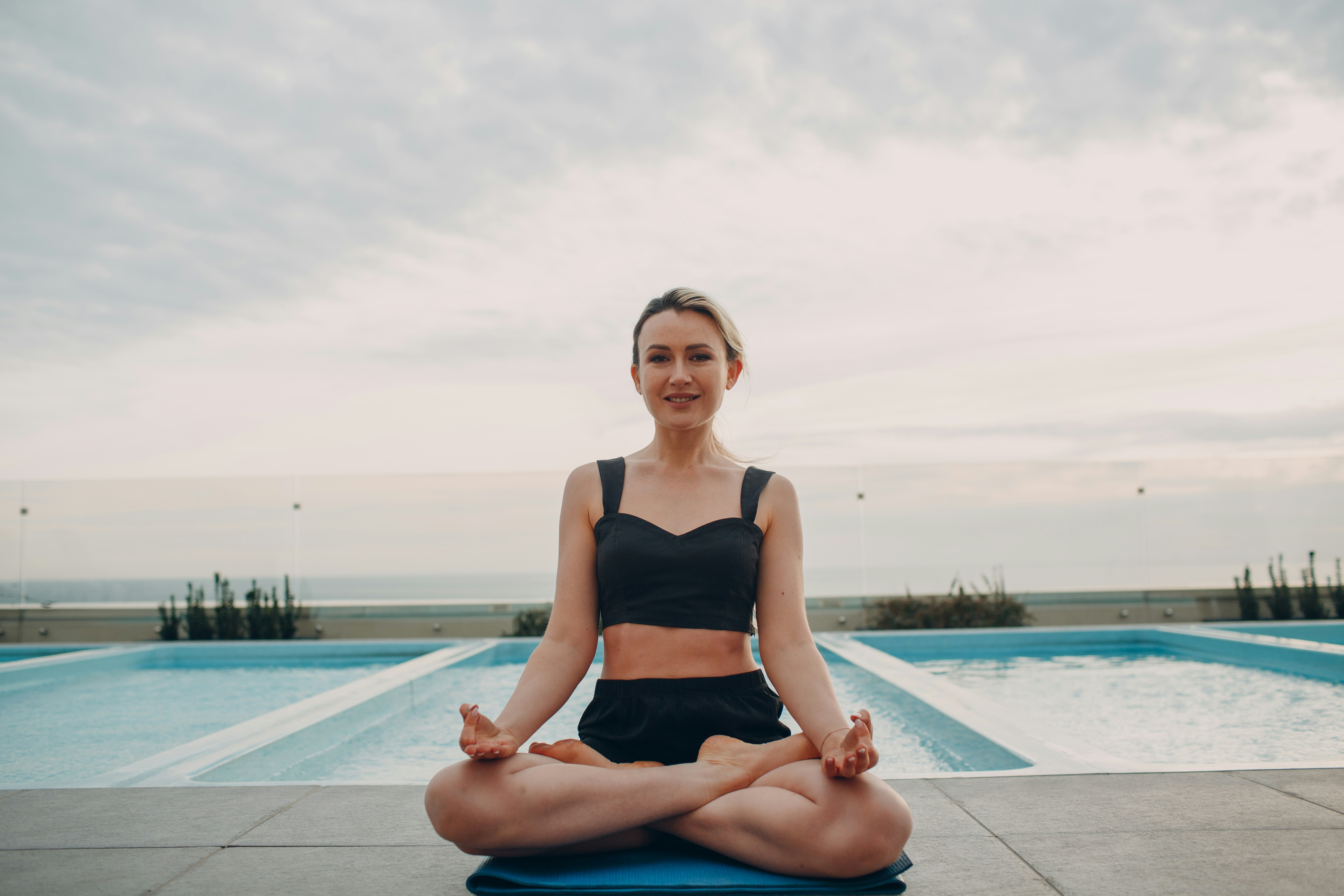
Sit comfortably with crossed legs
Lengthen the spine gently
Lean slightly forward if comfortable
Breathe slowly and relax the hips
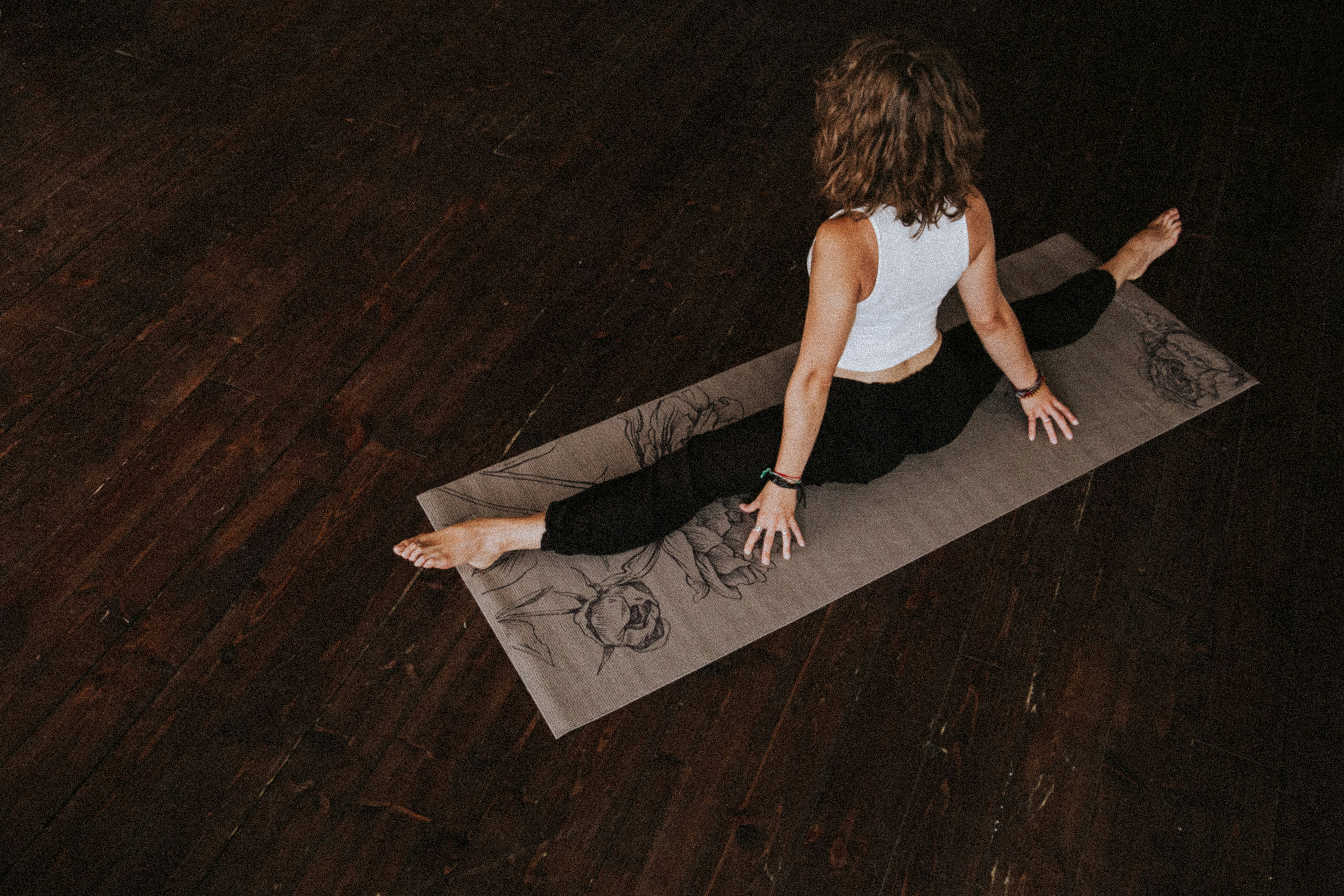
Gentle hip-opening stretches can improve mobility while reducing tension in the lower back and legs.
The Importance of Breathing While Stretching
Breathing plays a major role in helping muscles relax during stretching. Holding tension or breathing too quickly can make stretching feel uncomfortable or ineffective.
Slow breathing helps:
Relax the nervous system
Improve flexibility safely
Reduce muscle guarding and tension
Increase mindfulness during movement
Exhaling slowly during stretches often helps the body release tension more naturally.
When to Stretch During the Day
Stretching can be helpful anytime the body feels stiff, tired, or tense.
Helpful Times for Stretching
After waking up in the morning
During work or study breaks
After exercise or physical activity
Before bedtime for relaxation
After long periods of sitting
Short movement breaks throughout the day can prevent tension from building excessively over time.
Common Mistakes to Avoid
Stretching should feel gentle, controlled, and supportive rather than painful or forced.
Avoid:
Bouncing aggressively during stretches
Holding the breath while stretching
Forcing painful movements
Stretching too quickly without awareness
Comparing flexibility to others
Consistency and patience are more effective than pushing the body too aggressively.
Conclusion
Simple stretching exercises are an effective way to reduce body tension, improve mobility, and support overall well-being naturally. Through gentle movement and mindful breathing, stretching helps the body relax while encouraging healthier posture and movement patterns.
You do not need long workouts or advanced routines to experience meaningful benefits. Small moments of stretching practiced consistently throughout the day can greatly improve how your body feels physically and mentally.
Sometimes a few mindful stretches are enough to release tension and restore balance to both body and mind.



Continue your wellness journey