Recovery
Modern life often moves at a fast and demanding pace. Busy schedules, constant digital stimulation, work responsibilities, and emotional pressure can leave both the body and mind feeling overwhelmed. Over time, ongoing stress may affect focus, energy levels, sleep quality, emotional balance, and overall well-being.
Yoga offers a natural and effective way to reduce stress while improving mental clarity and emotional calmness. Through mindful movement, breathing techniques, and focused awareness, yoga helps create a deeper connection between the body and mind while encouraging relaxation and balance.
Unlike activities that only focus on physical exercise, yoga combines movement with mindfulness, helping you slow down mentally while releasing physical tension throughout the body.
How Stress Affects the Body and Mind
Stress activates the body’s natural “fight or flight” response, increasing physical and mental tension. While short-term stress can be helpful in certain situations, chronic stress often keeps the nervous system in a constant state of alertness.
Common effects of long-term stress include:
Mental fatigue and overwhelm
Muscle tension and headaches
Difficulty concentrating
Poor sleep quality
Irritability and emotional imbalance
Reduced energy and motivation
Without proper recovery and relaxation, stress can gradually impact both physical and emotional health.
How Yoga Helps Reduce Stress
Yoga helps calm the nervous system while encouraging mindfulness and physical relaxation. Slow movement and controlled breathing signal the body that it is safe to relax, helping reduce stress responses naturally.
Releases Physical Tension
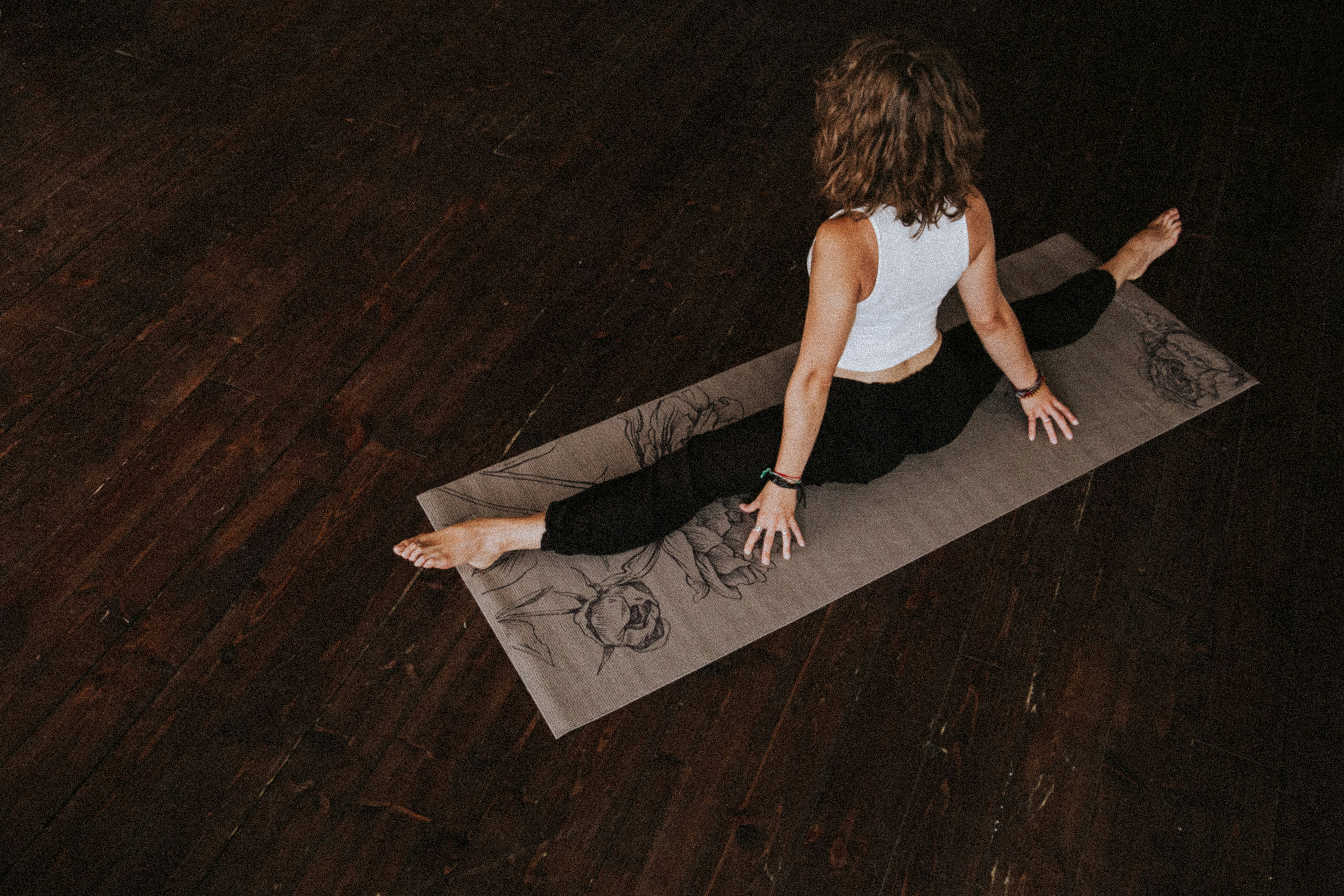
Stress often builds tension in areas such as the shoulders, neck, hips, and lower back. Yoga stretches and mindful movement help release tightness and improve physical comfort.
Calms the Nervous System
Breathing exercises and slow-paced movement activate the parasympathetic nervous system, helping the body shift into a more relaxed state.
Encourages Mindfulness
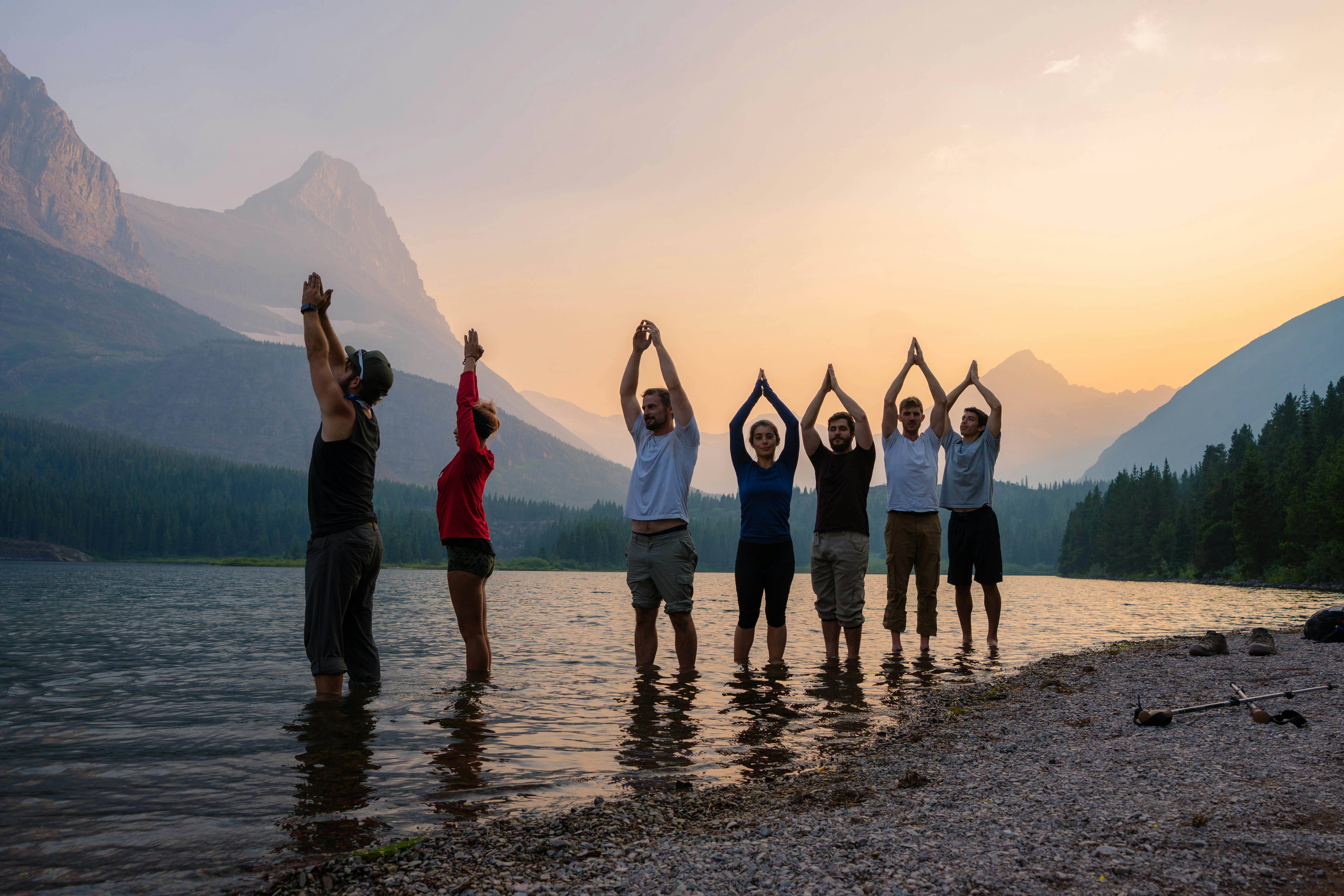
Yoga helps bring attention back to the present moment instead of focusing on worries, distractions, or mental overload.
Improves Emotional Balance
Consistent practice can help regulate emotions while creating greater awareness of stress patterns and emotional responses.
Yoga and Mental Clarity
Mental clarity refers to the ability to think clearly, stay focused, and feel emotionally balanced. Stress and overstimulation often create mental fog, distraction, and difficulty concentrating.
Yoga improves mental clarity by:
Reducing mental overstimulation
Improving breathing awareness
Supporting better sleep and recovery
Increasing mindfulness and focus
Encouraging calm and steady thinking
As the body relaxes, the mind often becomes quieter, clearer, and more focused naturally.
Best Yoga Practices for Stress Relief
Certain yoga styles and movements are especially effective for reducing stress and supporting mental calmness.
Restorative Yoga
A slow and gentle practice focused on relaxation, supported poses, and nervous system recovery.
Yin Yoga
Long-held stretches that encourage stillness, mindfulness, and deep physical release.
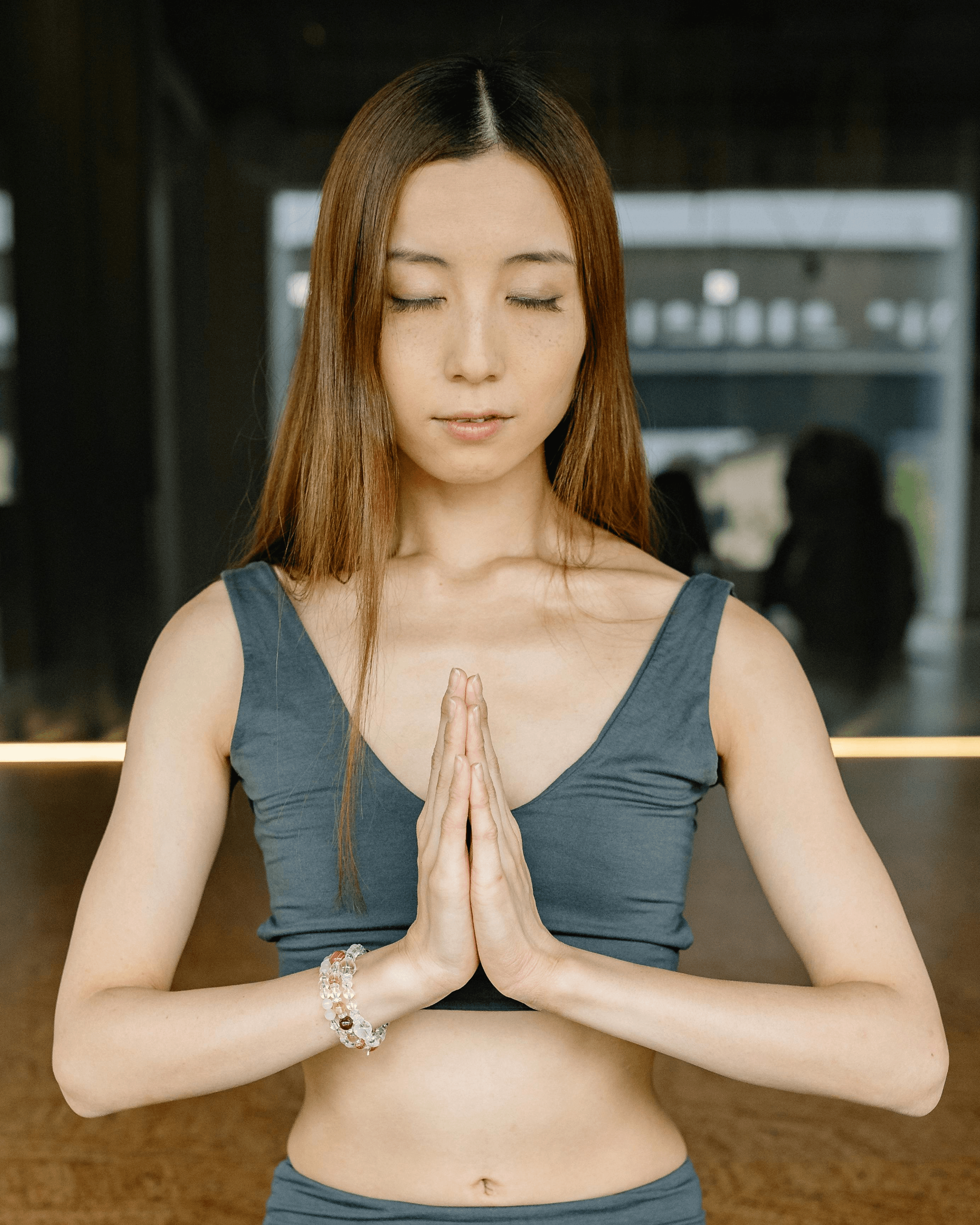
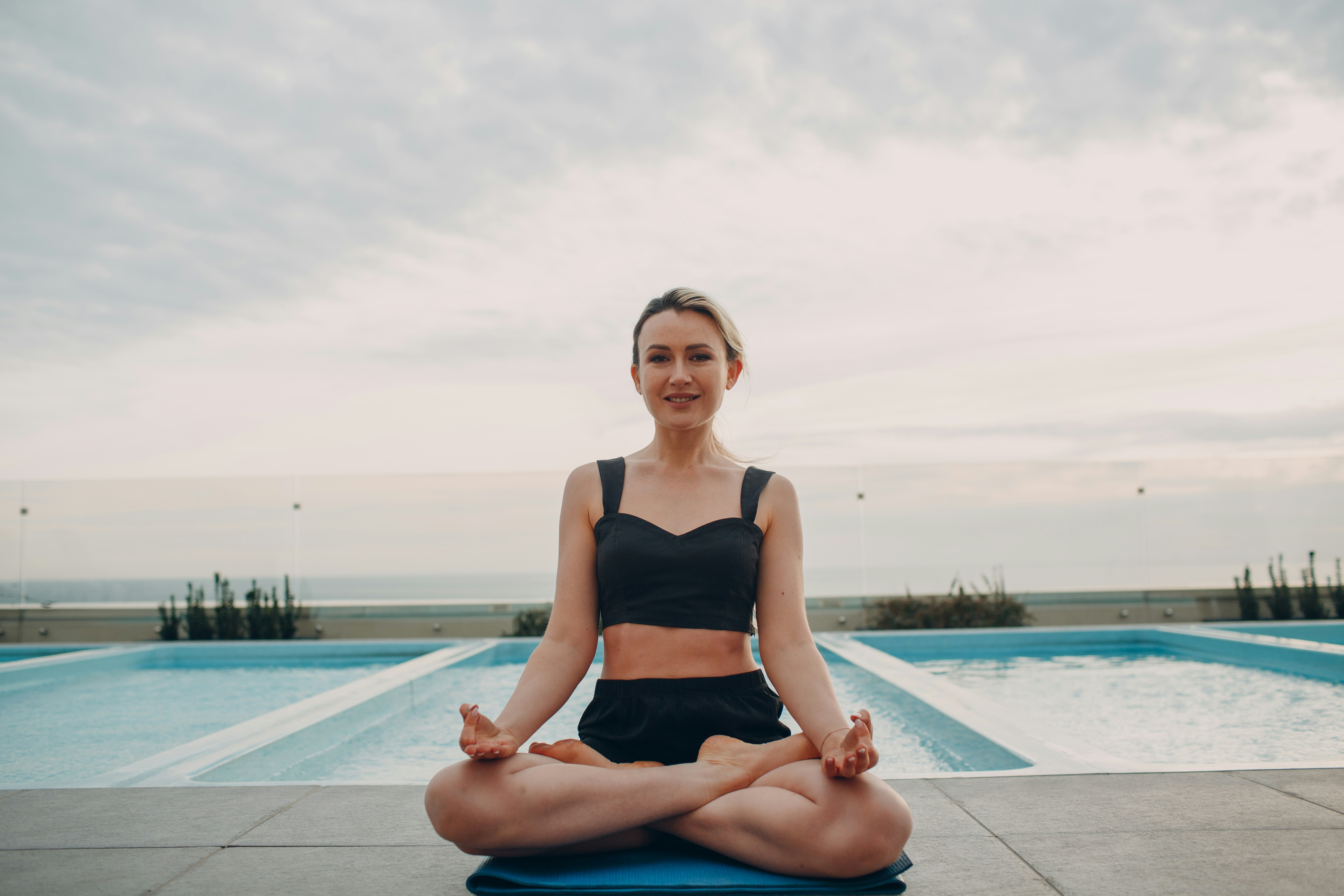
Meditation and Breathwork
Focused breathing and mindfulness exercises help calm racing thoughts and emotional tension.
Gentle Hatha Yoga
Steady movement combined with breathing awareness supports balance, relaxation, and body awareness.
These calming practices help create a healthier relationship with stress while improving overall well-being.
Simple Breathing Techniques for Relaxation
Breathing exercises are powerful tools for reducing stress quickly.
Deep Belly Breathing
Slow and controlled breathing into the abdomen helps relax the body naturally.
Extended Exhale Breathing
Longer exhalations calm the nervous system and reduce feelings of overwhelm.
Box Breathing
A steady breathing pattern that improves focus and emotional balance during stressful situations.
Even a few minutes of conscious breathing can create noticeable improvements in mental calmness and focus.
Creating a Stress-Relief Routine
Consistency is important when using yoga for stress management. Building small daily habits can help prevent stress from building excessively over time.
Simple Daily Routine Example
Morning stretching and breathing
Short mindfulness breaks during work
Evening restorative yoga or meditation
Gentle breathing exercises before sleep
A balanced routine supports both physical recovery and emotional well-being throughout the day.
Benefits Beyond the Yoga Mat
The calming effects of yoga often extend beyond physical practice into everyday life.
Consistent yoga practice may help:
Improve emotional resilience
Increase patience and awareness
Support healthier reactions to stress
Improve focus during work or study
Encourage better sleep quality
Over time, yoga helps create a stronger sense of calmness and balance even during challenging situations.
Common Mistakes to Avoid
When using yoga for stress relief, it is important to approach practice with patience and self-awareness.
Avoid:
Treating yoga as competition
Forcing difficult poses aggressively
Ignoring breathing awareness
Practicing only during stressful moments
Expecting immediate perfection or results
Yoga is most effective when practiced consistently and mindfully without pressure.
Conclusion
Yoga is a powerful practice for reducing stress, improving mental clarity, and supporting overall emotional well-being. Through mindful movement, breathing techniques, and relaxation practices, yoga helps calm the nervous system while encouraging focus, balance, and self-awareness.
In a world filled with constant stimulation and pressure, yoga creates space to slow down, reconnect, and care for both the body and mind more intentionally.
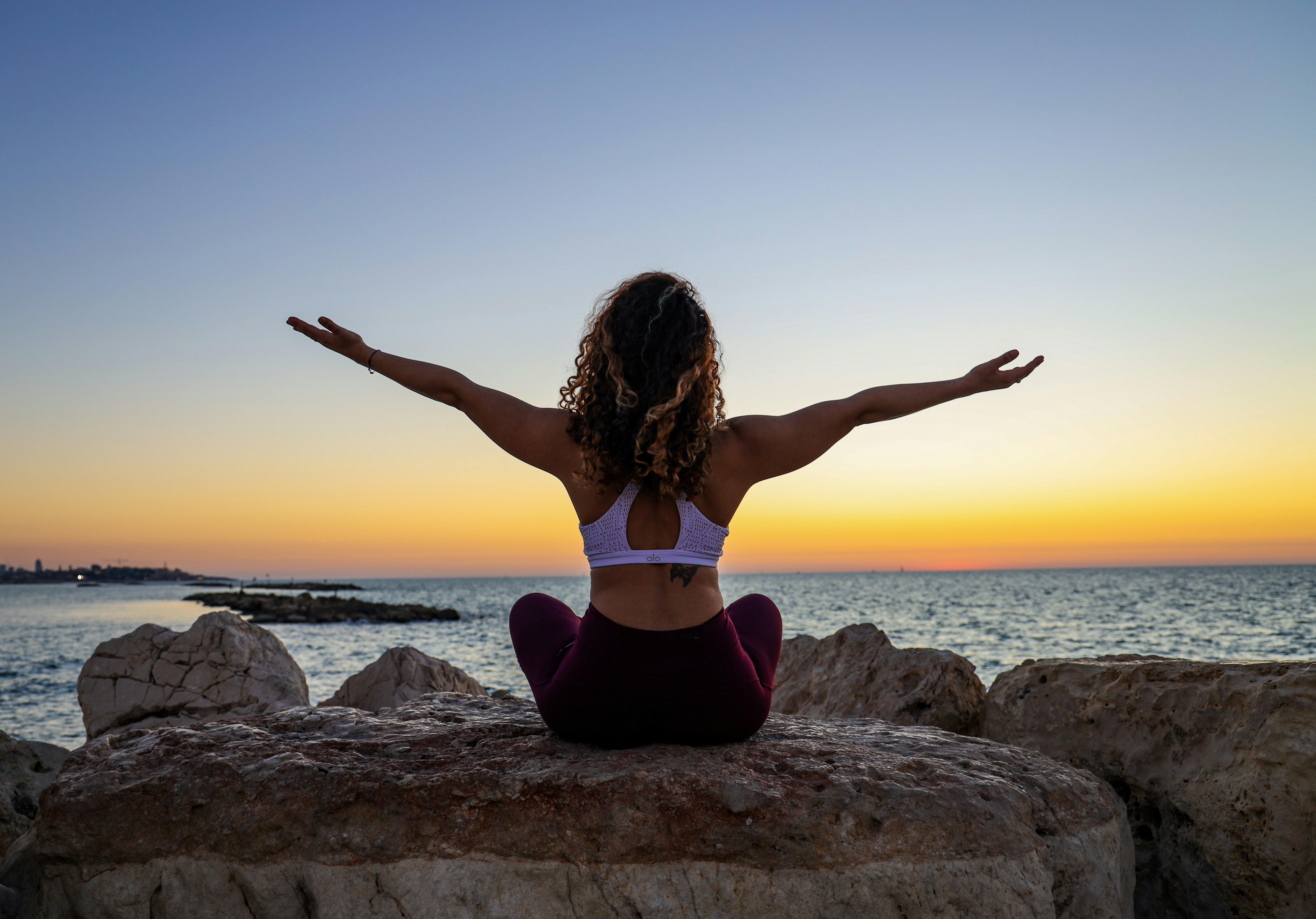
Sometimes clarity begins with a single breath and a moment of stillness.



Continue your wellness journey