Recovery
Strength is not only about building muscles or increasing physical performance. True strength also includes balance, endurance, stability, focus, and the ability to move with control and confidence. Power Yoga combines these elements into a dynamic practice that challenges both the body and mind through energetic movement and mindful breathing.
Unlike slower restorative styles, Power Yoga focuses on continuous movement, controlled transitions, and physically engaging sequences that help develop full-body strength and endurance. The practice encourages both physical resilience and mental discipline while improving flexibility, mobility, and body awareness.
Power Yoga is suitable for individuals looking to increase energy, build functional strength, improve stamina, and create a more active and balanced wellness routine.
What Is Power Yoga?
Power Yoga is a fast-paced and strength-focused style of yoga inspired by traditional Vinyasa practices. It combines flowing movement with challenging postures designed to improve muscular endurance, balance, coordination, and flexibility.
Unlike highly structured yoga systems, Power Yoga often allows more creativity and variation within sequences while maintaining strong attention to breathing and movement awareness.
Key elements of Power Yoga include:
Continuous flowing movement
Strength-based yoga postures
Controlled breathing patterns
Core engagement and stability
Full-body conditioning
Balance and coordination training
This combination creates a workout that strengthens both the body and mental focus simultaneously.
How Power Yoga Builds Strength
Power Yoga strengthens the body by using bodyweight resistance, balance challenges, and sustained muscle engagement throughout each session.
Core Strength Development
Many Power Yoga poses require strong core activation to maintain balance and stability. Regular practice strengthens abdominal muscles, lower back support, and overall body control.
Upper Body Strength
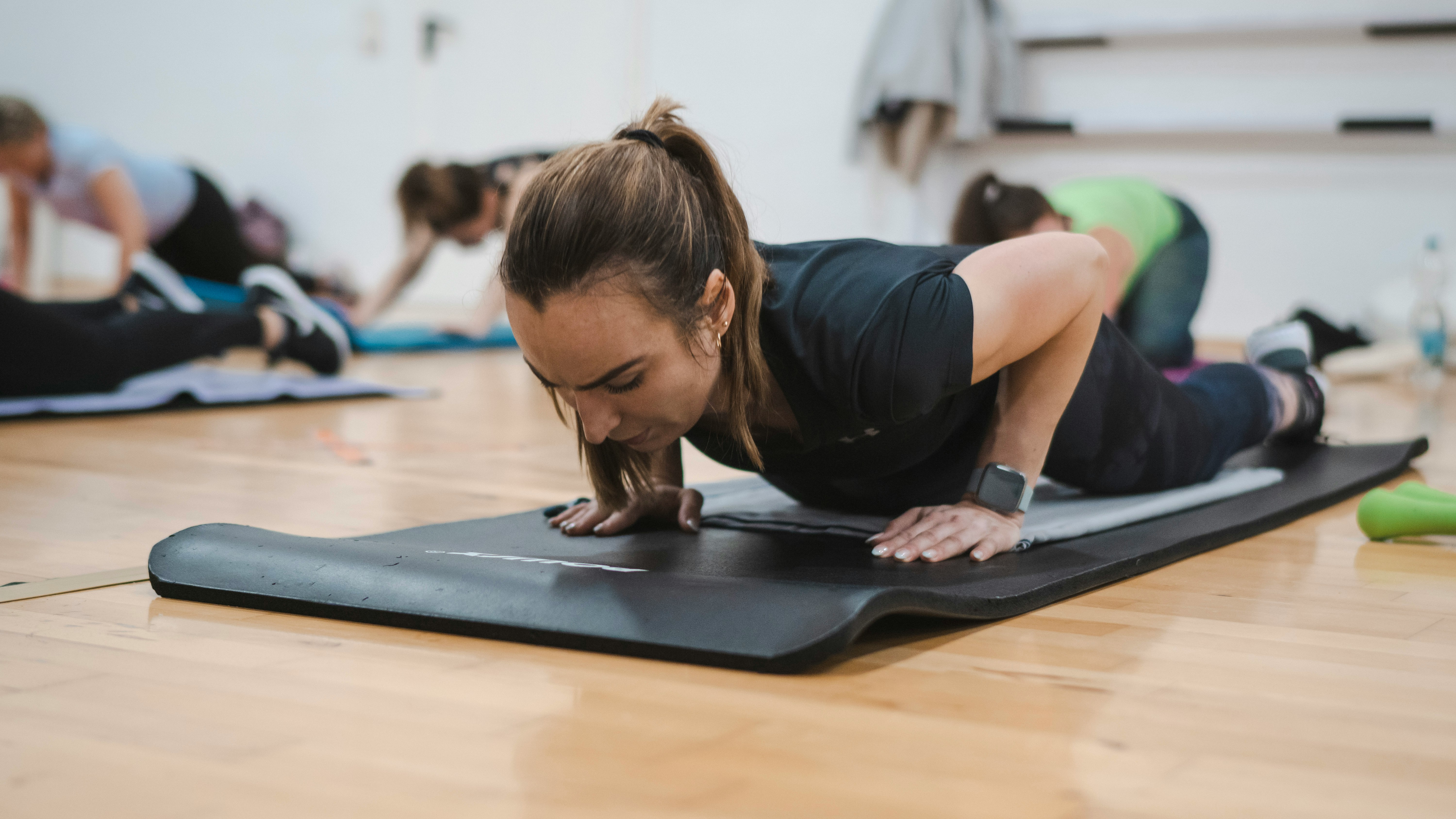
Postures such as plank, chaturanga, and side plank build strength throughout the shoulders, chest, arms, and upper back.
Lower Body Endurance
Standing poses and flowing sequences strengthen the legs, glutes, hips, and stabilizing muscles while improving mobility and posture.
Functional Full-Body Movement
Power Yoga trains the body to move efficiently through multiple planes of motion, improving coordination and overall physical performance.
The Role of Breath During Practice
Breathing is an essential part of Power Yoga. Controlled breathing helps maintain rhythm, focus, and endurance during physically demanding sequences.
Mindful breathing can help:
Improve movement control
Support muscular endurance
Reduce unnecessary tension
Increase focus and awareness
Create better balance between effort and relaxation
Synchronizing breath with movement helps create smoother and more intentional transitions throughout the flow.
Benefits Beyond Physical Strength
Although Power Yoga is physically challenging, its benefits extend beyond muscle development and conditioning.
Increased Mental Focus
Fast-paced movement combined with breathing awareness requires concentration and presence, helping improve mental clarity and mindfulness.
Improved Confidence
As strength and balance improve, many practitioners develop greater confidence both physically and emotionally.
Better Stress Management
Physical movement and mindful breathing help release tension while supporting emotional balance and relaxation after practice.
Enhanced Energy Levels
Dynamic movement improves circulation and overall energy, helping practitioners feel more active and refreshed throughout the day.
Common Power Yoga Poses
Certain poses are commonly included in strength-focused Power Yoga flows.
Plank Pose
Strengthens the core, shoulders, chest, and stabilizing muscles.
Chaturanga
Builds upper body strength while improving movement control and endurance.
Warrior Poses
Strengthen the legs, hips, and core while improving balance and posture.
Chair Pose
Develops lower body endurance while activating core stability.
Boat Pose
Targets abdominal strength and improves body control.
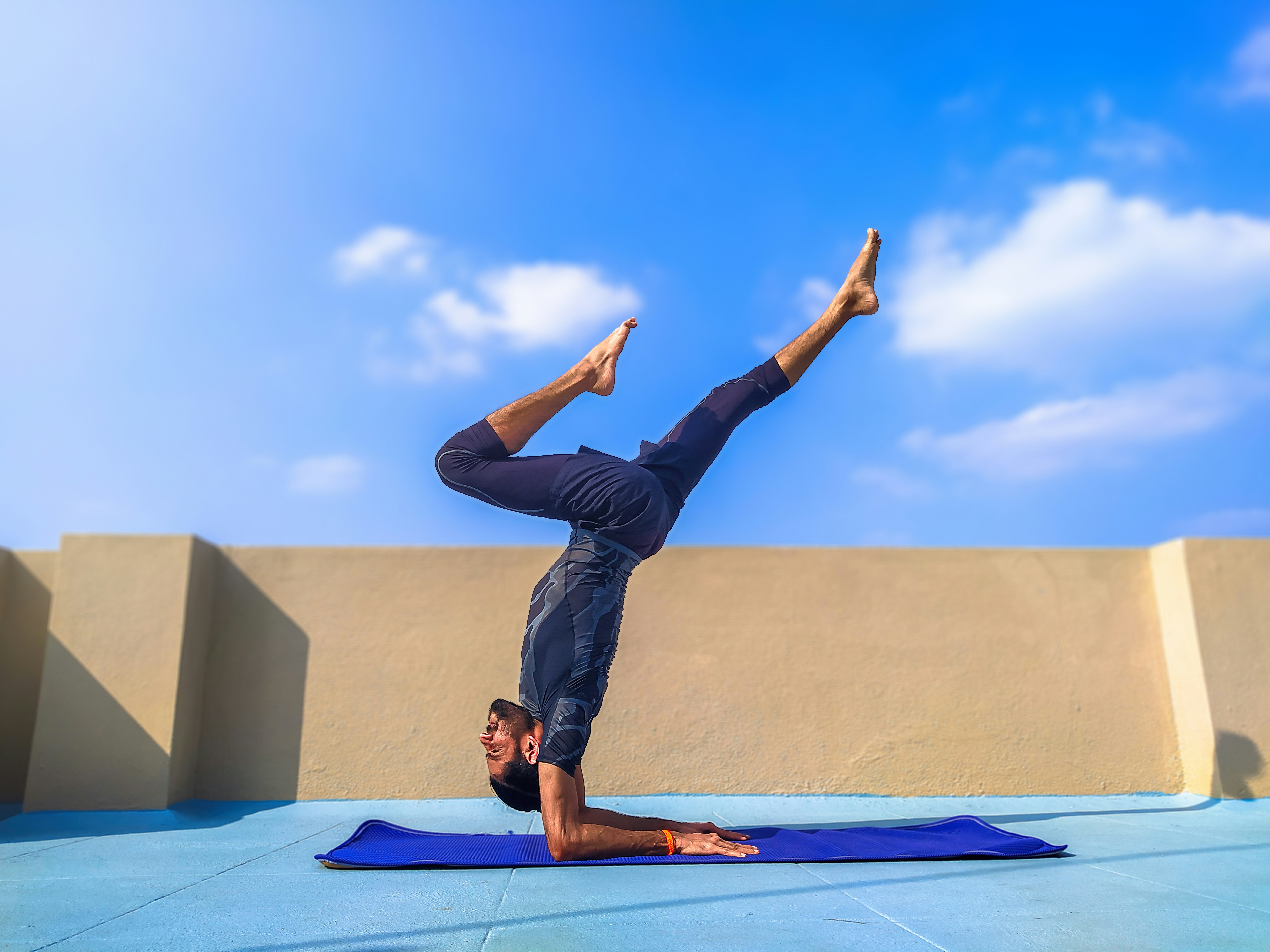
Crow Pose
Challenges balance, coordination, and upper body strength simultaneously.
Practicing these poses regularly helps improve overall physical conditioning and movement awareness.
Creating a Balanced Power Yoga Routine
While Power Yoga can be physically intense, balance and recovery remain important parts of sustainable practice.
A balanced weekly routine may include:
3 to 4 Power Yoga sessions
Gentle stretching or mobility work
Restorative yoga or meditation
Recovery and hydration practices
Balancing intensity with recovery helps reduce fatigue and supports long-term progress safely.
Common Mistakes to Avoid
When beginning Power Yoga, many people focus too heavily on speed or physical difficulty instead of mindful movement and alignment.
Avoid:
Sacrificing form for faster movement
Holding unnecessary tension while practicing
Ignoring breathing awareness
Comparing your progress to others
Skipping recovery and rest days
Power Yoga should challenge the body while still supporting safe and intentional movement patterns.
Staying Consistent With Practice
Consistency is more important than intensity when building strength through yoga. Small and regular practice sessions often create better long-term results than occasional extreme workouts.
Helpful consistency tips include:
Setting realistic weekly goals
Practicing at consistent times
Tracking progress gradually
Combining challenge with enjoyment
Listening to your body and recovering properly
A sustainable routine helps strength develop naturally over time.
Conclusion
Power Yoga is an effective and balanced practice for building strength, endurance, flexibility, and mental focus through mindful movement and controlled breathing. By combining physical challenge with awareness and discipline, Power Yoga supports both body conditioning and emotional well-being.
Strength developed through yoga is not only physical—it also includes patience, resilience, focus, and the ability to move through challenges with balance and control.
With consistency and mindful practice, Power Yoga can become a powerful tool for creating long-term health, confidence, and overall well-being.




Continue your wellness journey