Mindfulness
Modern life often feels fast, demanding, and filled with constant distractions. Between work responsibilities, digital notifications, personal commitments, and daily stress, many people move through their routines without fully slowing down or being present in the moment.
Over time, this constant mental activity can lead to stress, emotional exhaustion, reduced focus, and feelings of imbalance. Mindfulness offers a simple yet powerful way to reconnect with the present moment while creating greater calmness, awareness, and emotional balance in everyday life.
Mindfulness is not about perfection or completely eliminating stress. Instead, it is the practice of paying attention intentionally to your thoughts, emotions, breathing, and surroundings without judgment. Small mindful habits practiced consistently can create meaningful improvements in both mental and emotional well-being over time.
What Is Mindfulness?
Mindfulness is the practice of bringing full attention to the present moment with awareness and acceptance. Instead of focusing on past worries or future stress, mindfulness encourages you to notice what is happening right now.
Mindfulness can be practiced during:
Breathing exercises
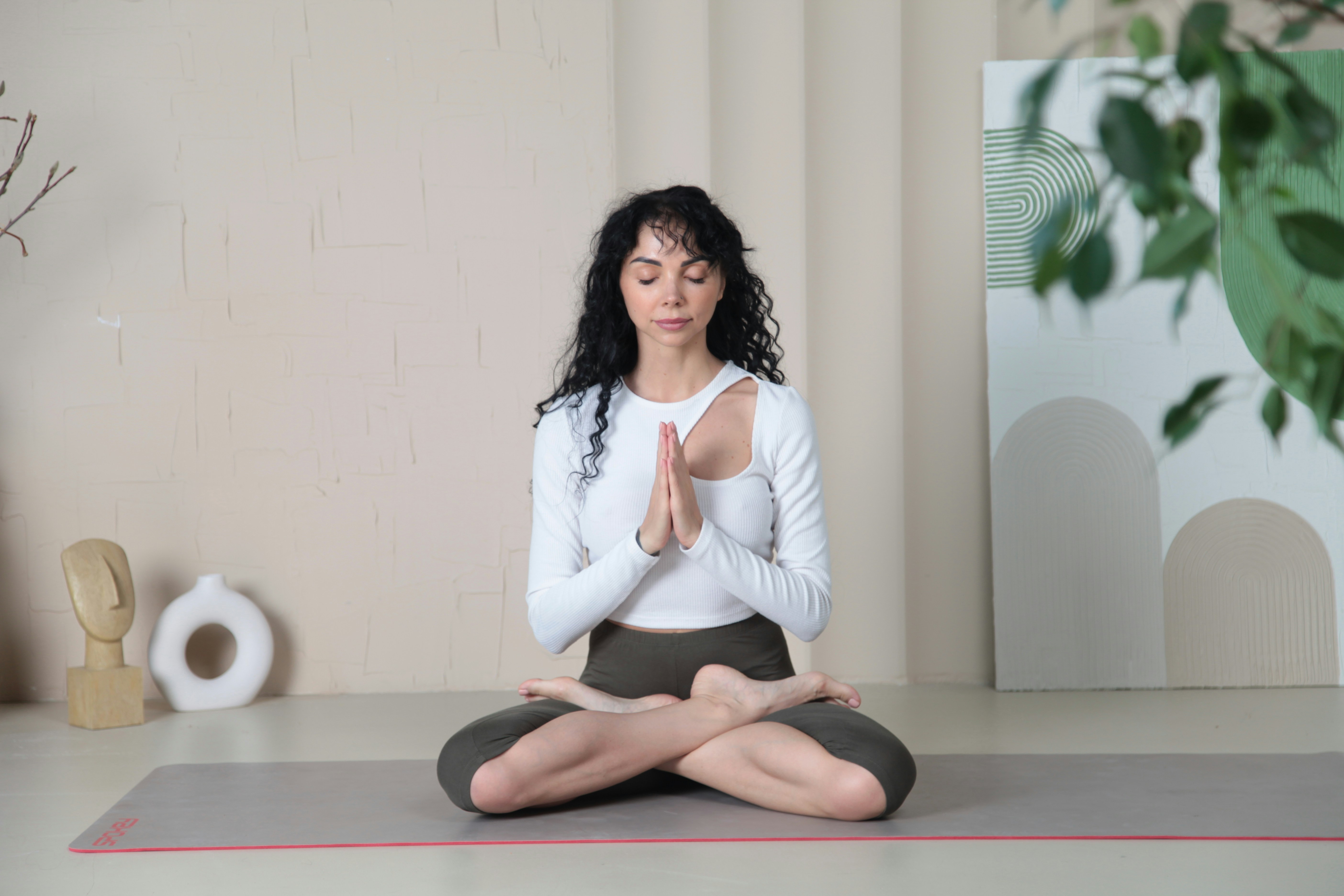
Yoga sessions
Walking and movement
Eating meals
Daily routines and conversations
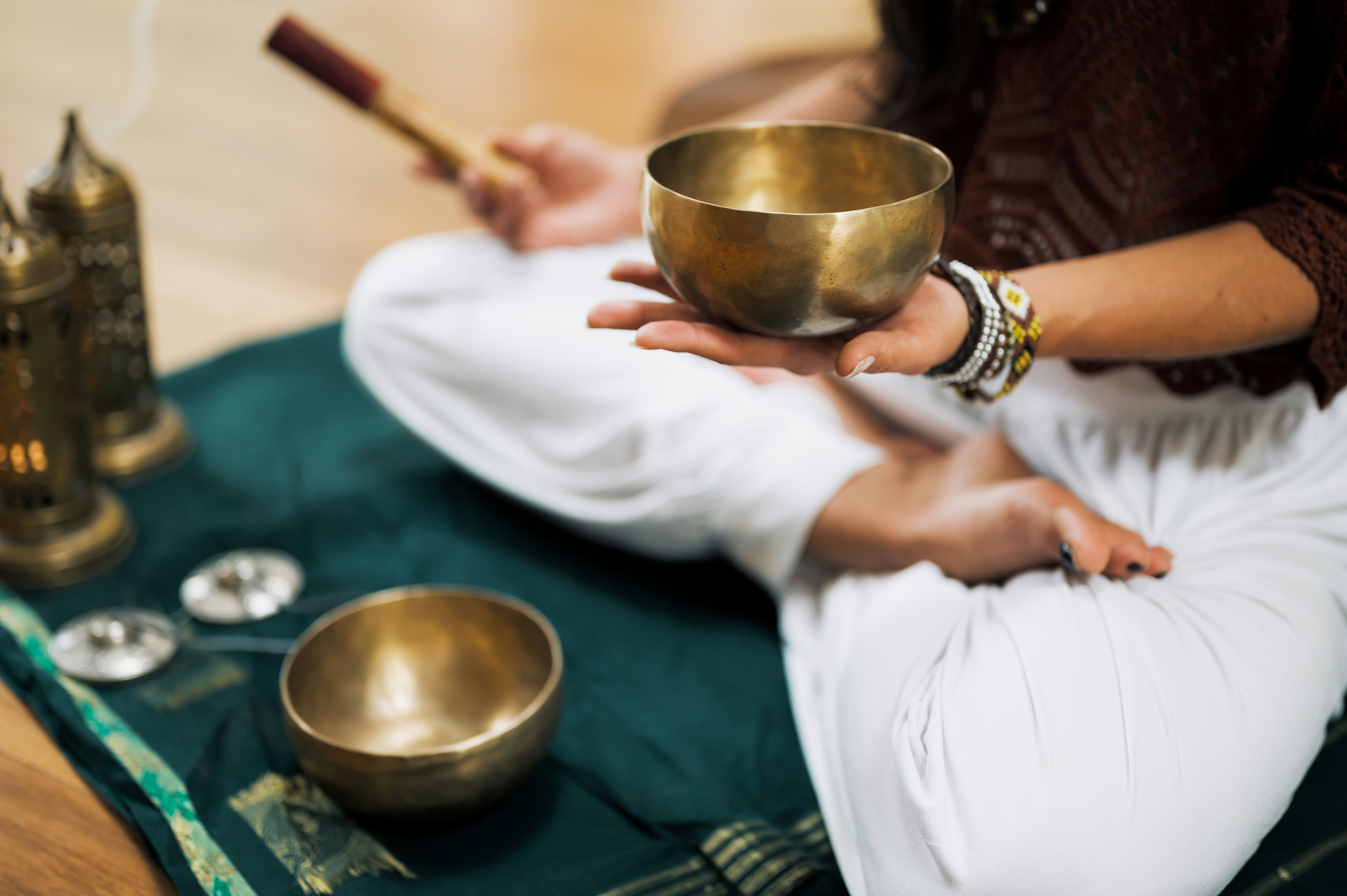
Meditation and relaxation practices
The goal is not to stop thoughts completely but to become more aware of them without feeling controlled or overwhelmed by them.
Why Mindfulness Matters in Daily Life
Many people spend large parts of the day operating on autopilot. This can increase stress, reduce focus, and create emotional fatigue over time.
Mindfulness helps create balance by encouraging:
Greater emotional awareness
Improved focus and concentration
Reduced stress and anxiety
Better decision-making
Increased patience and calmness
Stronger connection with daily experiences
Practicing mindfulness regularly can improve how you respond to challenges, emotions, and stressful situations throughout the day.
Mindful Breathing Practices
Breathing awareness is one of the easiest and most effective mindfulness practices to begin with. Since breathing happens constantly, it becomes a simple anchor for returning attention to the present moment.
Simple Breathing Practice
Sit comfortably and relax your shoulders
Inhale slowly through the nose
Exhale gently and completely
Focus attention on the movement of your breath
Repeat for several minutes
Whenever the mind begins to wander, gently return focus back to breathing without frustration or judgment.
This small practice can help calm the nervous system and improve mental clarity quickly.
Mindful Movement and Yoga
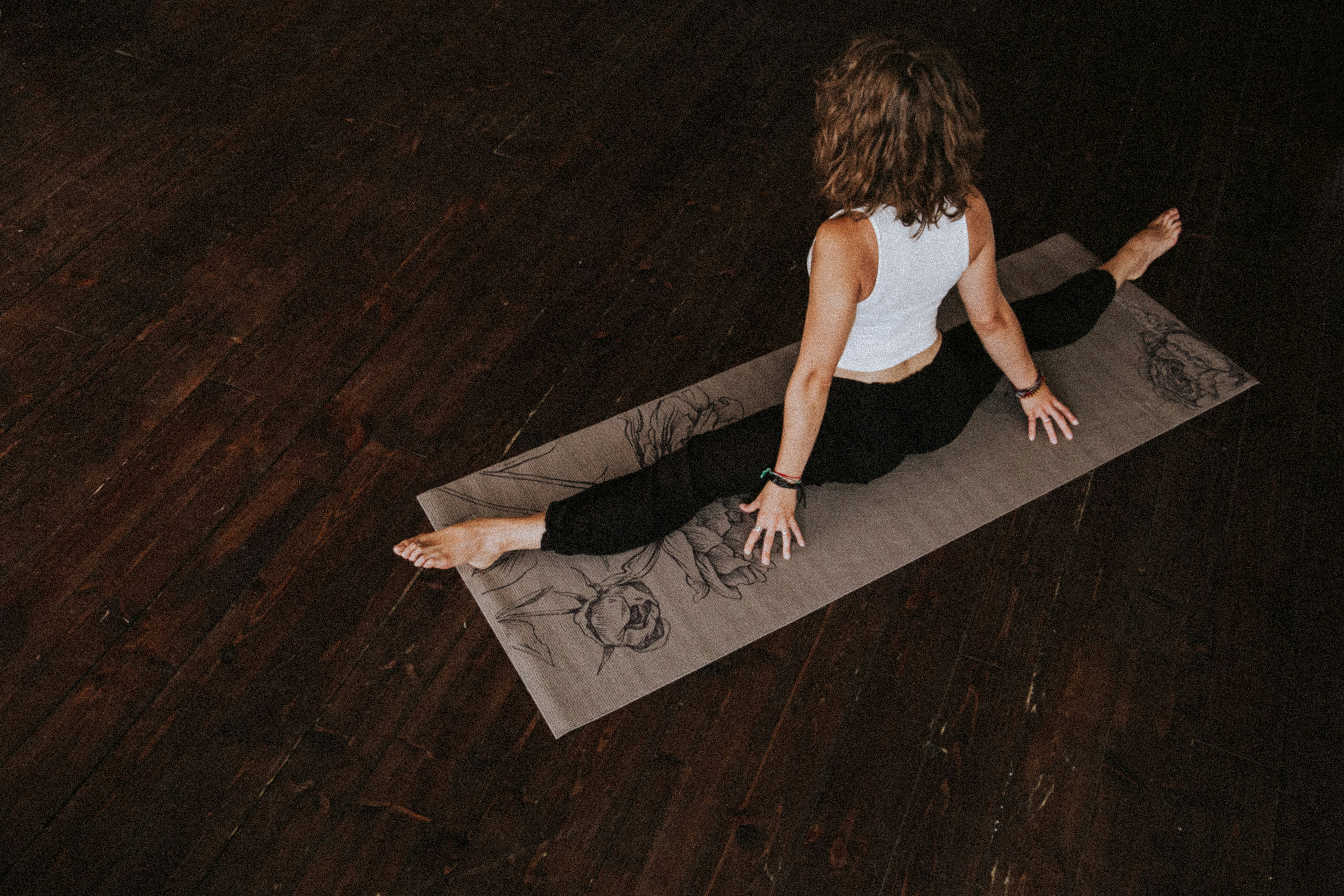
Yoga and mindful movement practices encourage awareness of posture, breathing, and physical sensation. Instead of rushing through movement, mindfulness invites slower and more intentional attention.
Benefits of mindful movement include:
Reduced physical tension
Better body awareness
Improved focus and balance
Greater emotional calmness
Increased connection between body and mind
Even gentle stretching or walking can become mindfulness practices when performed with awareness and intention.
Mindfulness During Daily Activities
Mindfulness is not limited to meditation or yoga sessions. Everyday tasks can also become opportunities for awareness and presence.
Examples of Daily Mindfulness
Eating meals slowly without distractions
Paying attention while walking
Listening fully during conversations
Taking mindful breaks from screens
Noticing physical sensations and emotions
These small moments of awareness help reduce mental overload while encouraging a calmer and more balanced mindset.
The Importance of Slowing Down
Modern routines often encourage constant productivity and multitasking, making it difficult to rest mentally. Slowing down intentionally helps the body and mind recover more effectively.
Mindfulness reminds us that:
Rest is important for balance
Constant busyness is not always productive
Awareness improves decision-making
Calmness supports emotional well-being
Creating small pauses throughout the day can improve focus, energy, and emotional resilience over time.
Managing Stress Through Mindfulness
Mindfulness does not remove stress completely, but it helps change how you respond to stressful situations.
Instead of reacting automatically, mindfulness encourages:
Observing emotions calmly
Slowing down physical stress responses
Improving breathing awareness
Creating space before reacting impulsively
This awareness helps reduce emotional overwhelm while supporting healthier responses to daily challenges.
Building a Simple Mindfulness Routine
Mindfulness becomes more effective when practiced consistently through small daily habits.
Simple Daily Routine Example
Morning breathing practice for 5 minutes
Mindful stretching during breaks
Short meditation before sleep
Reducing distractions during meals or conversations
Consistency matters more than duration. Even a few mindful moments each day can create meaningful long-term benefits.
Common Challenges When Starting
Many beginners believe mindfulness requires completely quiet thoughts or long meditation sessions. In reality, mindfulness is simply about returning attention gently whenever the mind wanders.
Common Mistakes to Avoid
Expecting immediate perfection
Judging thoughts too harshly
Forcing relaxation aggressively
Comparing progress to others
Practicing inconsistently
Mindfulness develops gradually through patience, repetition, and self-awareness.
Long-Term Benefits of Mindfulness
Consistent mindfulness practices can positively affect both emotional and physical well-being over time.
Possible long-term benefits include:
Improved emotional balance
Better focus and concentration
Reduced stress and anxiety
Healthier sleep patterns
Increased self-awareness
Greater overall sense of calmness
Small moments of awareness practiced daily can create lasting positive changes in how you experience life.
Conclusion
Mindfulness is a simple yet meaningful practice that helps create greater balance, awareness, and calmness in everyday life. By slowing down, focusing on the present moment, and becoming more aware of your thoughts and emotions, you can reduce stress while improving overall well-being naturally.
Mindfulness does not require perfection or complicated routines. Small intentional moments of awareness each day are enough to support a healthier, calmer, and more balanced lifestyle over time.
Sometimes the most powerful change begins by simply paying attention to the present moment.





Continue your wellness journey