Mindfulness
In today’s fast-moving world, many people experience constant mental stimulation, stress, and emotional fatigue. Busy schedules, digital distractions, work pressure, and daily responsibilities often leave little time for rest and self-awareness. Over time, this imbalance can affect both mental clarity and physical well-being.
Meditation offers a simple and effective way to slow down, reconnect with the present moment, and support overall health naturally. Through stillness, breathing awareness, and focused attention, meditation helps calm the mind while encouraging relaxation throughout the body.
Although meditation is often associated with mental wellness, its benefits extend far beyond emotional balance. Consistent practice may positively influence sleep quality, stress levels, focus, breathing patterns, and even physical recovery over time.
What Is Meditation?
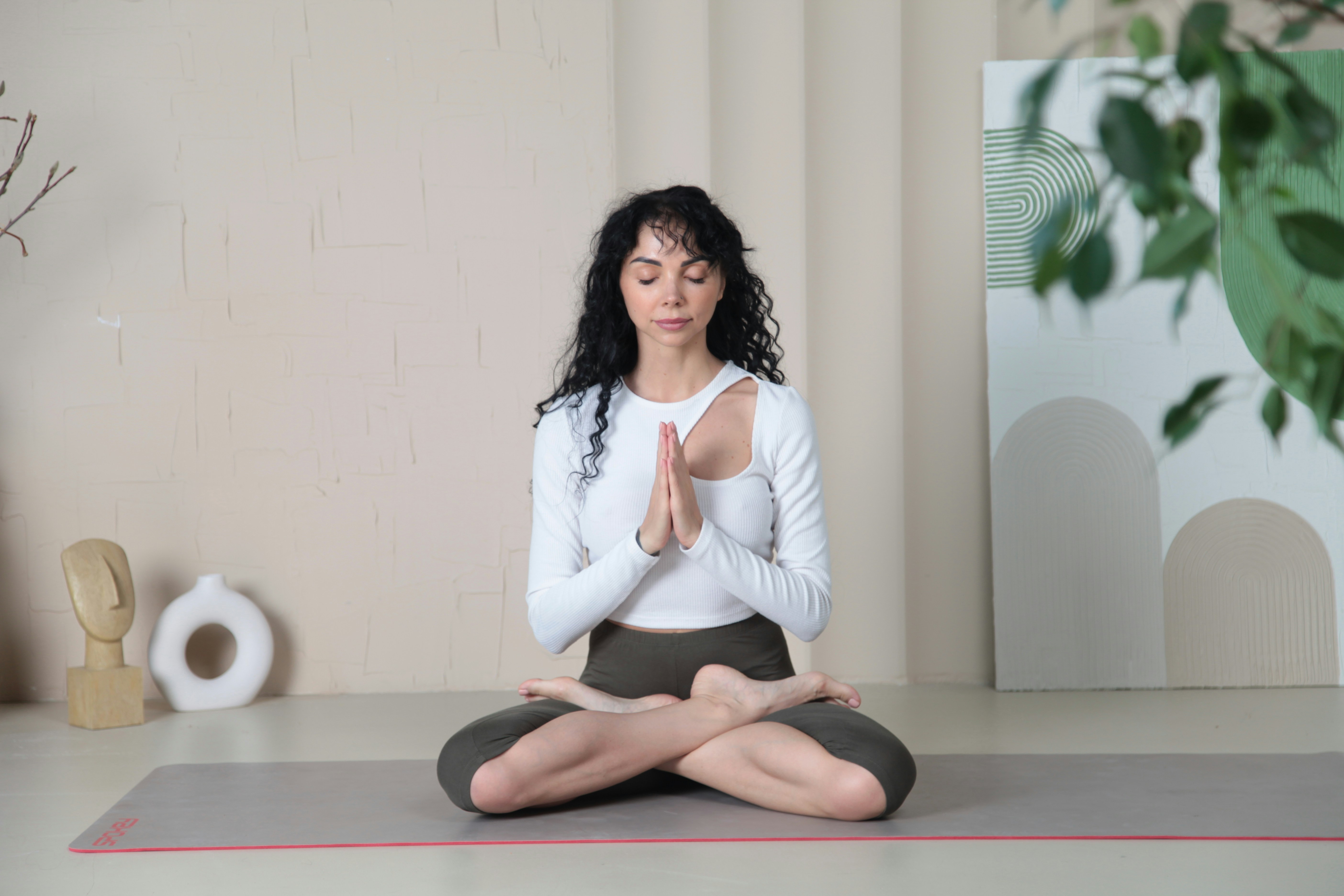
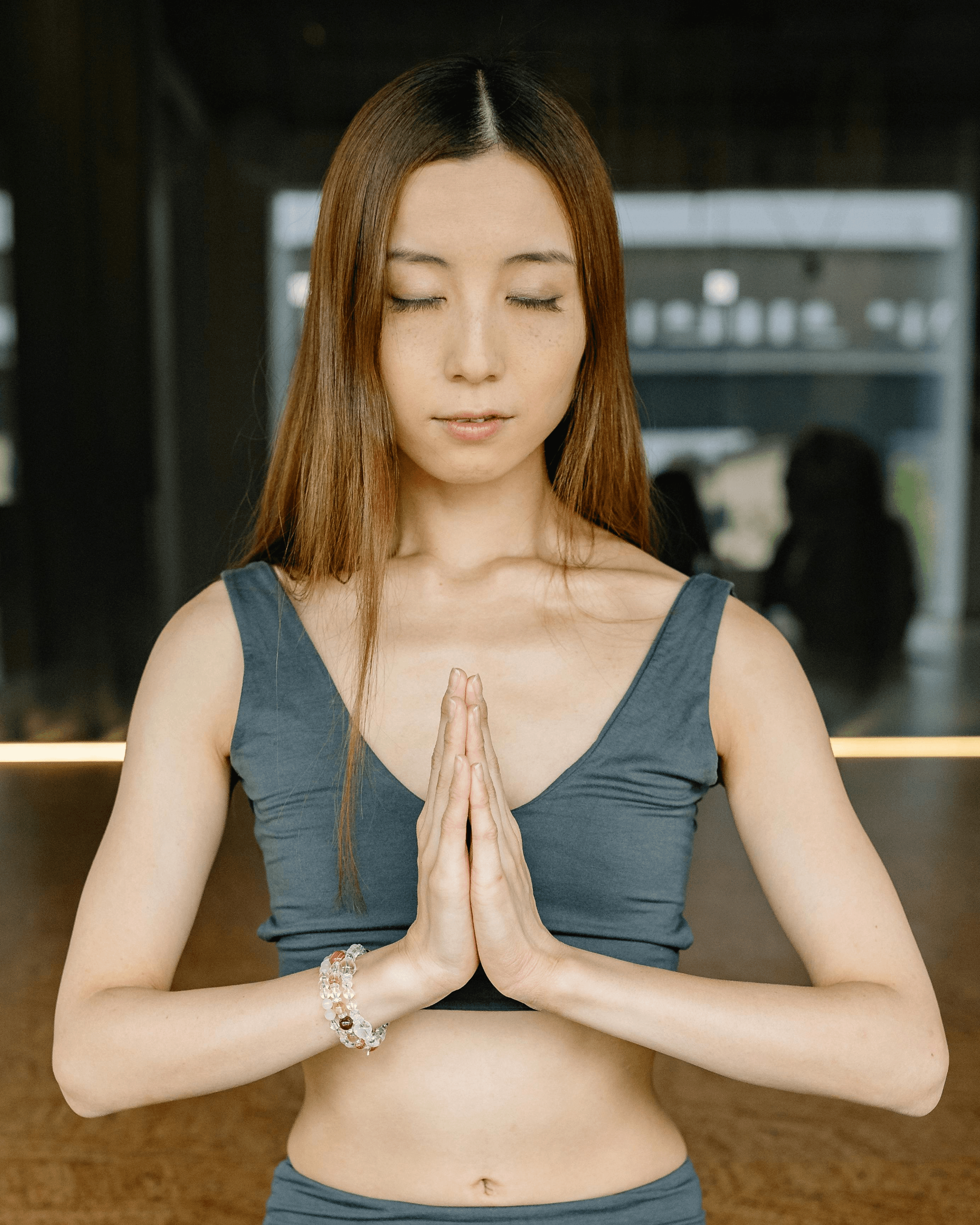
Meditation is the practice of focusing attention intentionally while creating awareness of thoughts, emotions, breathing, or physical sensations. The goal is not to stop thinking completely but to observe the mind calmly without becoming overwhelmed by constant mental activity.
Meditation can include:
Breathing awareness
Guided visualization
Mindfulness practices
Body awareness techniques
Quiet reflection and stillness
Even a few minutes of daily meditation can help create greater calmness, focus, and emotional balance.
Mental Benefits of Meditation
One of the most recognized benefits of meditation is its positive effect on mental and emotional well-being.
Reduces Stress and Anxiety
Meditation helps calm the nervous system while reducing physical and emotional stress responses. Slow breathing and mindfulness encourage the body to relax naturally.
Improves Focus and Clarity
Regular meditation can strengthen concentration and reduce mental distraction, helping the mind feel calmer and more organized.
Supports Emotional Balance
Meditation encourages awareness of emotions without immediate reaction, helping improve patience, resilience, and emotional stability.
Encourages Mindfulness
Practicing mindfulness helps people become more present and aware during everyday experiences instead of feeling mentally overwhelmed or distracted.
Physical Benefits of Meditation
Meditation not only affects the mind but also supports physical health through relaxation and nervous system regulation.
Improves Sleep Quality
Calming the mind before bedtime may help reduce racing thoughts and improve relaxation for better sleep.
Supports Healthy Breathing
Meditation often encourages slower and deeper breathing patterns, which may improve relaxation and oxygen flow throughout the body.
Reduces Physical Tension
Stress commonly creates tightness in areas such as the shoulders, neck, and back. Meditation helps release physical tension gradually.
Supports Recovery and Relaxation
Relaxation practices can help the body recover more effectively after stressful days, emotional fatigue, or physical activity.
How Meditation Affects the Nervous System
The nervous system constantly responds to stress, emotions, and environmental stimulation. Meditation helps activate the parasympathetic nervous system, also known as the body’s “rest and recovery” mode.
This shift may help:
Slow the heart rate naturally
Reduce physical stress responses
Improve relaxation and calmness
Support emotional recovery
Encourage mental clarity and focus
As the nervous system relaxes, both the body and mind often feel more balanced and refreshed.
Different Types of Meditation
There are many ways to practice meditation depending on personal preferences and wellness goals.
Mindfulness Meditation
Focuses on observing thoughts, breathing, and sensations with awareness and acceptance.
Guided Meditation
Uses verbal instruction or calming audio guidance to support relaxation and focus.
Breath Awareness Meditation
Centers attention on breathing patterns to improve calmness and mindfulness.
Body Scan Meditation
Encourages awareness of physical sensations throughout the body while releasing tension gradually.
Each approach offers unique benefits while supporting relaxation and emotional well-being.
Building a Simple Meditation Routine
Meditation does not need to be complicated or time-consuming. Starting with small and realistic habits is often the best approach.
Beginner Meditation Routine
Sit comfortably in a quiet space
Focus on slow and natural breathing
Practice for 5 to 10 minutes daily
Return attention gently when the mind wanders
Consistency matters more than duration. Even short daily sessions can create noticeable improvements over time.
Common Challenges for Beginners
Many people believe meditation requires completely quiet thoughts or perfect concentration. In reality, wandering thoughts are completely normal.
Common Mistakes to Avoid
Expecting immediate results
Judging yourself too harshly
Forcing thoughts to disappear
Practicing inconsistently
Comparing your experience to others
Meditation is a gradual practice of awareness, patience, and gentle focus.
Meditation in Everyday Life
Meditation does not only happen during quiet seated sessions. Mindfulness and awareness can also be practiced throughout daily activities.
Simple mindful moments include:
Taking deep breaths during stress
Walking with awareness
Eating without distractions
Pausing between busy tasks
Listening fully during conversations
These small moments of presence can improve emotional balance and reduce daily stress naturally.
Long-Term Benefits of Consistent Practice
Over time, regular meditation practice may support:
Greater emotional resilience
Improved focus and productivity
Better sleep and recovery
Reduced stress and anxiety
Stronger mindfulness and awareness
Improved overall sense of calmness
The benefits often develop gradually through consistent and patient practice.
Conclusion
Meditation is a powerful yet simple practice that supports both mental and physical well-being through mindfulness, breathing awareness, and intentional stillness. In a world filled with constant activity and distraction, meditation creates space to slow down, reset, and reconnect with yourself more deeply.
You do not need perfect focus or long sessions to experience meaningful benefits. Small moments of awareness practiced consistently can create lasting improvements in balance, clarity, and overall wellness.
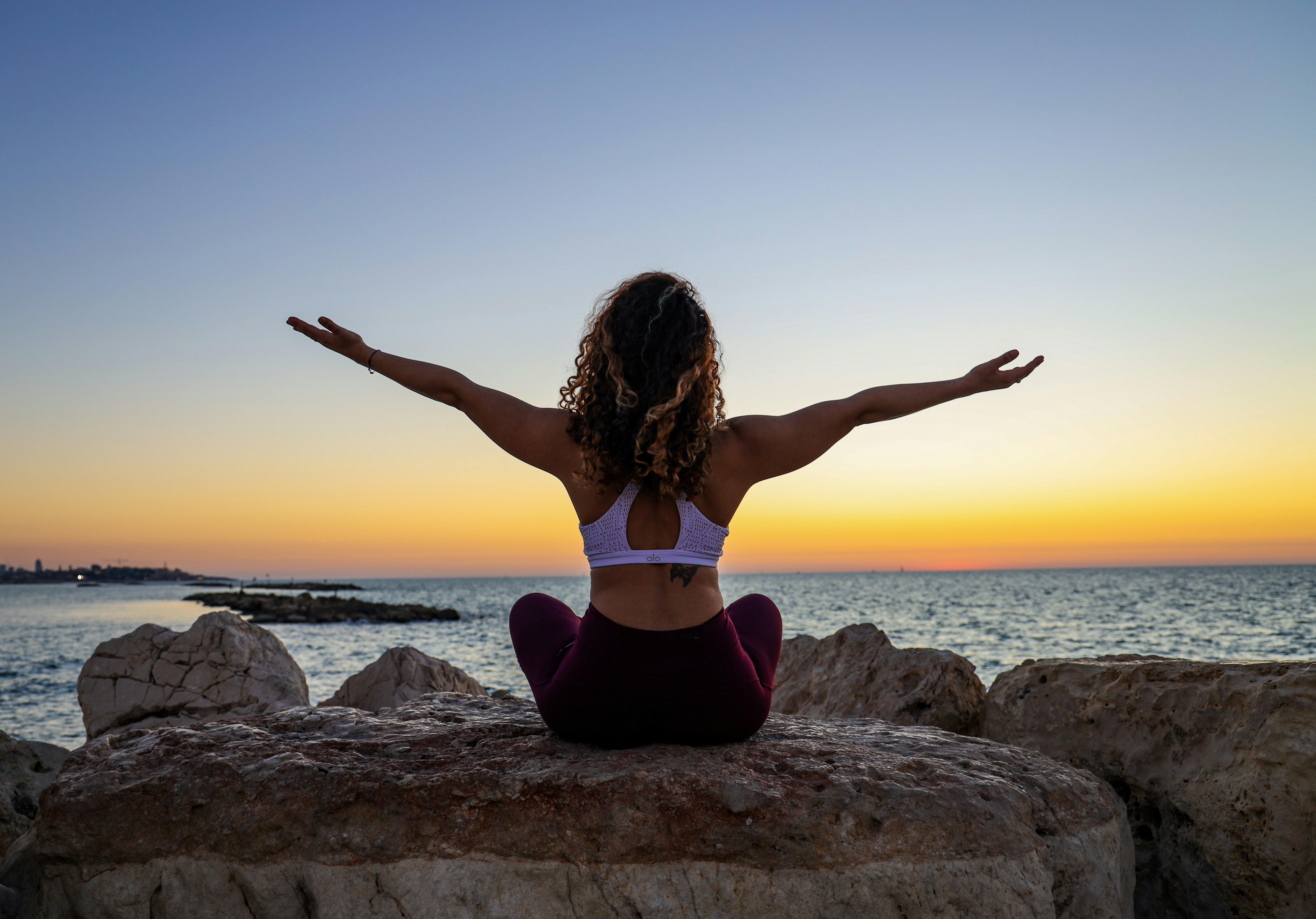
Sometimes the greatest sense of peace begins with simply sitting still and breathing mindfully.




Continue your wellness journey